Information about UPVC Pipes in 2026
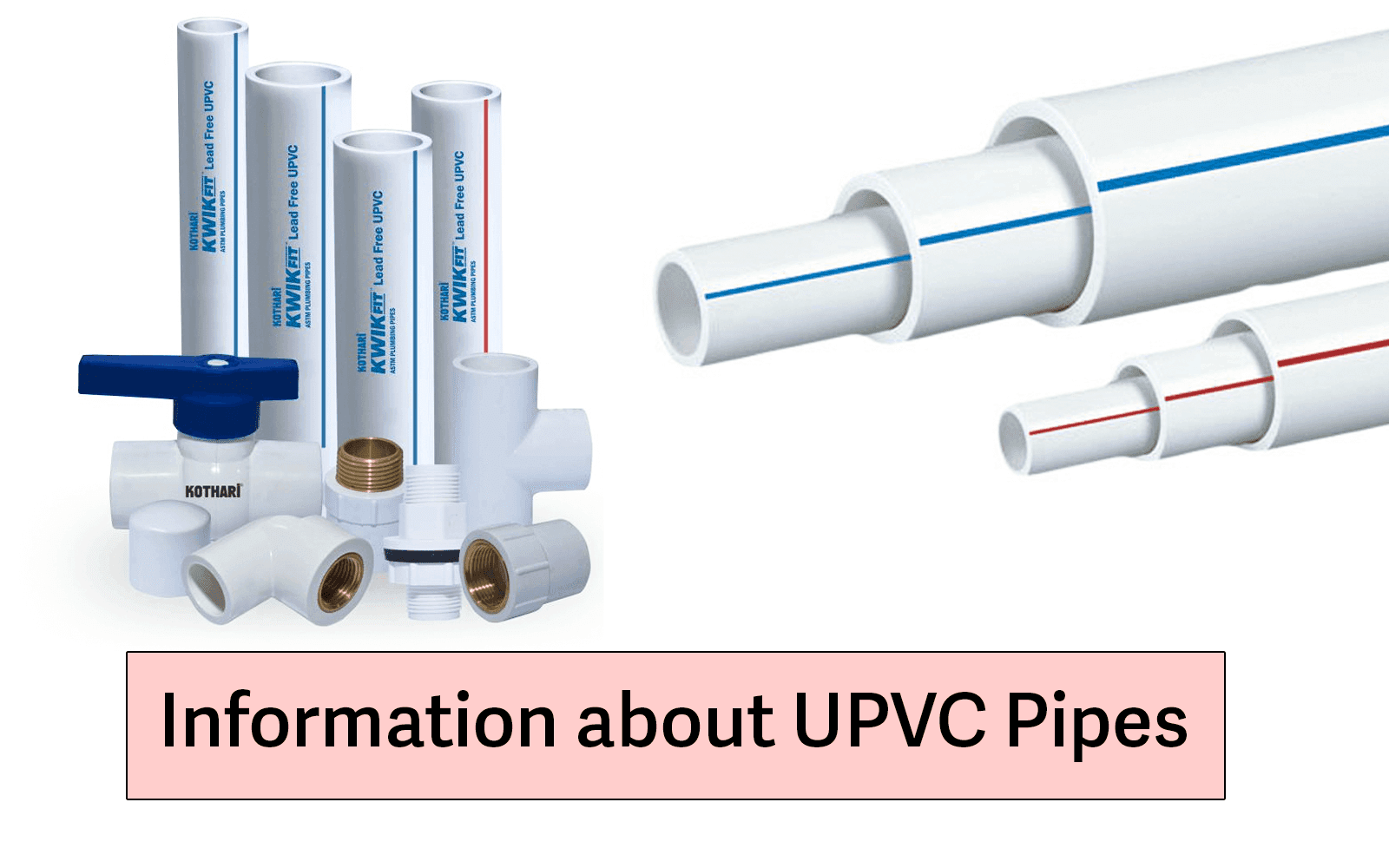
What Is UPVC Pipe? Uses, Benefits, Sizes and Why UPVC Pipes Are the Best Choice for Plumbing
If you are planning construction, plumbing, or water supply work, you have probably heard the term UPVC pipe many times. UPVC pipes are now one of the most used plumbing materials in Nepal and across the world. Many homeowners and contractors also compare the PVC pipe price in Nepal before selecting the right piping material for construction and plumbing projects. They are trusted for drinking water supply, drainage systems, irrigation, and even hot water pipelines. In this guide, we will explain what UPVC pipes are, their full form, applications, advantages, sizes, temperature range, and why people are choosing UPVC pipes over metal pipes.
What Is UPVC Pipe?
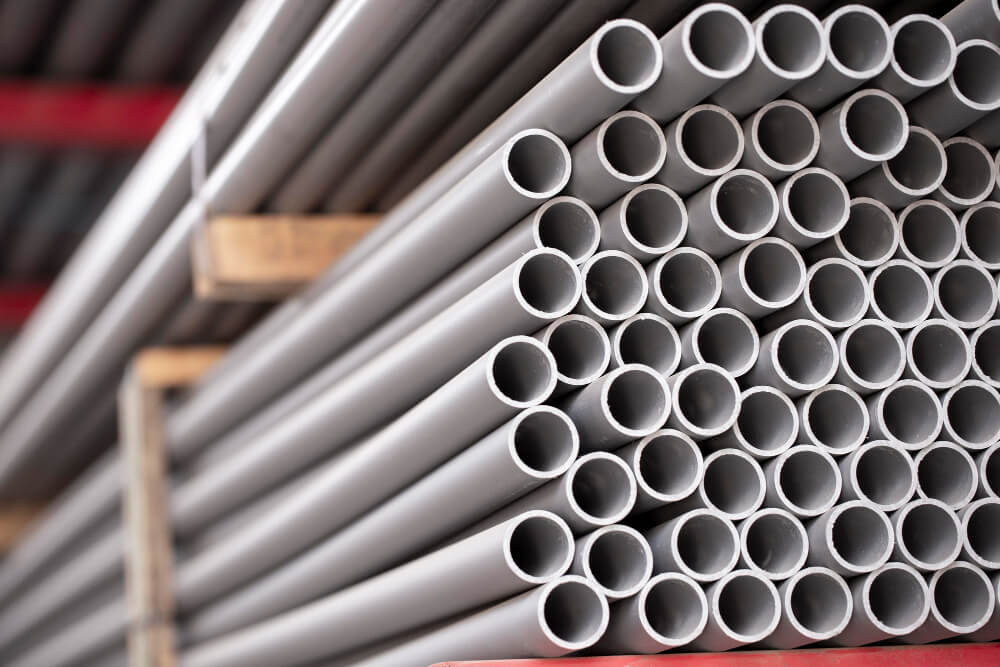
UPVC stands for Unplasticized Polyvinyl Chloride.
So the full form of UPVC pipe is Unplasticized Polyvinyl Chloride Pipe.
Unlike regular PVC, UPVC does not contain plasticizers. This makes UPVC pipes harder, stronger, non-toxic, and safer for potable water supply. That is why UPVC pipes are widely used in plumbing, water pipelines, agriculture, and construction.
UPVC is plastic, but it is a special type of rigid plastic that does not release harmful chemicals into water. Because of this, UPVC pipes are considered food-safe and approved for drinking water use. Due to these advantages, people searching for the PVC pipe price in Nepal often prefer UPVC pipes for long-term plumbing solutions.
What Is UPVC Pipe Used For?
UPVC pipe is used in many areas such as:
- UPVC pipe for water supply
- UPVC pipe for hot water and cold water
- UPVC pipe used for plumbing in homes and buildings
- UPVC pipeline in agriculture irrigation
- UPVC pipes in drainage and sewer lines
- UPVC pipes for electrical conduits
- UPVC pipes used in laboratories and hospitals
- UPVC pipes for potable drinking water
In short, UPVC pipes are used for almost every type of plumbing application.
Because of their durability and low maintenance, many builders and homeowners compare the PVC pipe price in Nepal before purchasing pipes for residential and commercial projects.
Advantages of UPVC pipes
Use in Potable water transportation
UPVC pipe is made from unplasticized PVC. PVC is actually a non-toxic resin and not mixing plastic in it makes it non-toxic. UPVC pipes are indeed the best pipes for transporting potable water in municipal supplies. Unlike Iron pipes that contain lead, UPVC pipes do not contain lead. They are approved by health agencies throughout the world to use in industries related to food and beverages. When comparing the PVC pipe price in Nepal, many homeowners prefer UPVC because it provides safe drinking water at an affordable cost.
Resistant to temperatures
UPVC pipes can resist temperature of 60 degree Celsius consistently without melting. They are also resistant against fire for a considerably long period of time. This temperature resistance is one reason why the demand and search volume for PVC pipe price in Nepal continues to increase.
Easy to Install
UPVC pipes are easy to install using solvent chemicals and in threaded pipes. They are lightweight and easy to handle, thus making the installation quicker. Their lightweight structure also reduces labor costs, making the overall PVC pipe price in Nepal more cost effective compared to traditional metal pipes.
No Chances of Build-up of scaling
UPVC pipes have almost zero chances of build-up of deposits of solid inside the pipe. Because of this property, they require almost no cleaning or less frequent cleaning. This makes them a cost-effective option for people comparing the PVC pipe price in Nepal for long-term plumbing use.
UPVC Pipe Doesn’t Leak
Most of the brands of UPVC pipe make sure their product is leak-proof. Some of them use solvent cement as the sealant for joints and give a guarantee of their pipes being completely leak proof. Threaded joints and push-fit joints are also leakage proof. Due to lower maintenance and leakage issues, UPVC pipes provide better long-term value despite the changing PVC pipe price in Nepal.
Long Term Cost Saving
If you use UPVC pipes in your plumbing system at home construction, you are going to save the construction cost in a long term. It is because maintenance cost of UPVC pipes is almost nil. Even when comparing the PVC pipe price in Nepal, UPVC pipes are considered one of the most affordable long-term plumbing solutions because of their low maintenance costs.
Why Choose UPVC Pipes Over Metal Pipes?
Feature | UPVC Pipes | Metal Pipes |
Rust Free | Yes | No |
Safe for Drinking Water | Yes | Often contains lead |
Lightweight | Yes | Heavy |
Installation | Easy | Difficult |
Cost | Low | High |
Lifespan | Long | Moderate |
This is why most modern constructions now prefer UPVC pipes over metal pipes.
This is one major reason why people researching the PVC pipe price in Nepal are increasingly choosing UPVC pipes over traditional metal piping systems.
Features of UPVC Pipe
UPVC can be used for supplying both the hot water and cold water. UPVC melts only at extreme temperature so water at boiling points can also transport through UPVC pipes.
Metal pipes are not corrosion resistant and prone to rust. But UPVC pipes literally never have corrosion issues. UPVC doesn’t react with cement so UPVC pipes can be put inside while casting the slab. UPVC also has antimicrobial properties, therefore they are very suitable for carrying potable water. UPVC is a strong material and that’s why it is durable than any other pipe material too. Its inertness makes the fluid passing inside remain safe against chemical change inside the pipeline.
Because of these features, many consumers compare the PVC pipe price in Nepal before choosing plumbing materials for their projects.
UPVC Pipe for Hot Water
Many people ask if UPVC pipes can be used for hot water.
Yes, UPVC pipe for hot water is safe up to 60°C and can easily carry warm water used in bathrooms and kitchens. For very high-temperature lines, CPVC is preferred, but UPVC is perfect for most home hot water plumbing.
Applications of UPVC pipes
UPVC pipelines are used in almost everywhere at home including laboratories, kitchens, bathroom and sinks. UPVC pipes have been used for ventilation pipes in washrooms as well. They are used in plumbing system across potable water supply system. They are used in agricultural sector for irrigation purposes too. Pipelines transporting crude oils and edible fluids also use UPVC as piping material. UPVC materials are also used in electrical conduits.
With such wide applications in homes, industries, and agriculture, searches related to PVC pipe price in Nepal continue to grow rapidly.
Sizes and Capacity of UPVC Pipes
UPVC pipes come in various sizes ranging from 12mm diameter to 315mm outside diameter pipes. The pressure capacity of these pipes are anything among 4 bars, 6 bars, 10 and 16 bars.
Regarding Pressure pipes, the sizes range from a half inches to 8 inches. Most of the pressure pipes above 63mm diameter are available in push-fit sockets in various pressure classes. The length of the pipe available in the market is generally 6 meters. The PVC pipe price in Nepal generally depends on pipe size, pressure rating, brand, and material quality.
UPVC Pipe Buying Guide
Buying the right UPVC pipe is important for long-term performance, safety, and cost savings. Before buying pipes for any project, it is always important to compare quality standards and the PVC pipe price in Nepal to ensure long-term value. Here’s what you should check before you order UPVC pipes for plumbing or water supply.
How to Choose the Right UPVC Pipe
1. Check the Pressure Class
UPVC pipes come in different pressure ratings:
Pipe Class | Best Used For |
4 Bar | Low pressure drainage and ventilation |
6 Bar | Household water lines |
10 Bar | Multi-storey building plumbing |
16 Bar | Underground water supply and industrial use |
Always choose a higher pressure class if your building has water pumps or overhead tanks.
2. Choose the Correct Size
Pipe Size | Application |
12–20 mm | Kitchen and bathroom taps |
25–40 mm | Main water lines |
50–110 mm | Drainage and sewer lines |
160–315 mm | Agriculture and municipal supply |
Selecting the correct pipe size can also help manage the overall PVC pipe price in Nepal more effectively.
3. Decide Based on Use
- For drinking water → Use food-grade UPVC pipes
- For hot water lines → Choose heavy duty UPVC pipe
- For underground pipeline → Use 10 or 16 bar class pipes
- For irrigation → Use large-diameter UPVC pipes
4. Check Certification
Always buy UPVC pipes that follow ISO / NS / IS standards to ensure safety and durability. Certified pipes may have a slightly higher PVC pipe price in Nepal, but they provide better durability and safety.
Difference Between UPVC and PVC Pipes
Difference between the UPVC pipes and PVC pipes are given below:
Feature | UPVC Pipe | PVC Pipe |
Full Form | Unplasticized Polyvinyl Chloride | Polyvinyl Chloride |
Contains Plasticizers | No | Yes |
Strength | Very strong and rigid | Less rigid |
Safe for Drinking Water | Yes, food-grade and lead-free | Not always recommended |
Hot Water Capacity | Up to 60°C | Lower than UPVC |
Corrosion Resistance | Excellent | Moderate |
Leakage Protection | Very high | Moderate |
Lifespan | 40–50 years | 15–25 years |
Maintenance | Almost zero | Requires frequent maintenance |
Installation | Easy and quick | Easy |
Cost | Slightly higher than PVC but cheaper than metal | Cheaper than UPVC |
Best Used For | Plumbing, potable water, irrigation, drainage | Drainage and low-pressure use |
Reaction with Cement | Does not react | Can react over time |
Fire Resistance | Better | Lower |
Popular in Nepal | Highly preferred | Used mostly for drainage |
While comparing these materials, many buyers also research the PVC pipe price in Nepal to find the best option for their construction budget.
Frequently Asked Questions About UPVC Pipes
Q1. What is the full form of UPVC pipe?
UPVC stands for Unplasticized Polyvinyl Chloride.
Q2. Is UPVC pipe safe for drinking water?
Yes. UPVC pipes are non-toxic, lead-free, and approved for potable water supply.
Q3. Can UPVC pipes be used for hot water?
Yes. UPVC pipes can handle hot water up to 60°C.
Q4. What is the lifespan of UPVC pipes?
UPVC pipes can last 40 to 50 years with minimal maintenance.
Q5. Are UPVC pipes better than metal pipes?
Yes. UPVC pipes are rust-free, leak-proof, lighter, cheaper, and safer for drinking water than metal pipes.
Q6. What is the standard length of UPVC pipes?
The standard UPVC pipe length is 6 meters.
Q7. Are UPVC pipes fire resistant?
Yes. UPVC pipes have low flammability and good fire resistance.
Q8. Are UPVC pipes used in Nepal?
Yes. UPVC pipes are widely used in Nepal for plumbing, irrigation, and water supply projects.
Q8. Does PVC pipe price vary in Nepal?
Yes. The PVC pipe price in Nepal depends on pipe size, pressure class, brand, and quality standards.
Conclusion
UPVC pipes are strong, safe, durable, and affordable. They are easy to install, require almost no maintenance, and are perfect for drinking water, plumbing, and irrigation systems. This is why UPVC pipes are now replacing metal and PVC pipes in modern construction. Whether you are building a new home or upgrading your plumbing system, comparing the PVC pipe price in Nepal can help you choose durable and cost-effective piping solutions. At Skillsewa, UPVC pipes are widely used because they are environmentally friendly, long-lasting, and cost effective for every type of building project.