Interior Designing in Nepal: Trends and Cost Guide 2025
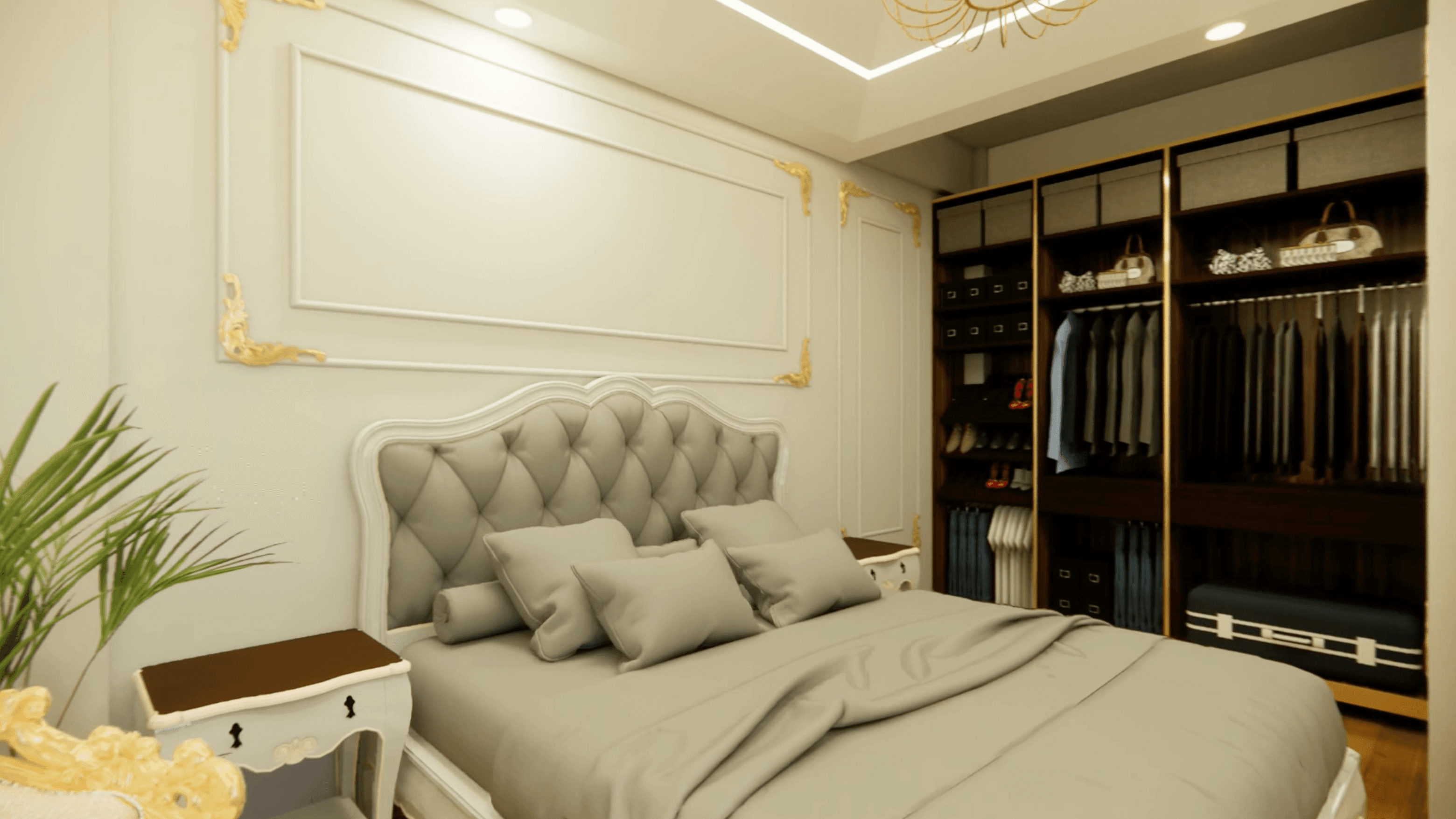
Looking to transform your living space but not sure where to start?
Interior design in Nepal has evolved dramatically over the past decade, blending traditional Nepali aesthetics with contemporary global trends. Whether you're renovating your Kathmandu apartment or building a new home in Pokhara, understanding the local design landscape can make all the difference between a house and a home you'll love for years to come. Modern house design in Nepal is evolving rapidly, combining traditional architecture with modern functionality to create stylish, practical, and culturally inspired living spaces.
The Nepali market now offers an exciting array of options from sustainable home décor that honors our rich cultural heritage to minimalist modern spaces that maximize functionality. Finding the best interior designer in Kathmandu, Nepal might seem overwhelming given the growing number of talented professionals, but knowing what to look for simplifies the process significantly.
Local designers are increasingly focusing on space optimization techniques that work perfectly for Nepal's urban homes, where every square foot counts. What makes a house interior design particularly interesting here is how beautifully we can incorporate traditional elements like hand-carved wooden windows, lokta paper accents, and brass fixtures into modern layouts.
In this comprehensive guide, we'll explore practical design solutions offered by top construction companies in Nepal, tailored specifically for Nepali homes, budget-friendly renovation tips, and how to work with local craftsmen to create spaces that reflect your personality while respecting our architectural traditions. Get ready to discover how thoughtful design choices can completely transform your living experience.
Why Interior Design Matters in Nepal
Creating Beautiful Spaces That Work
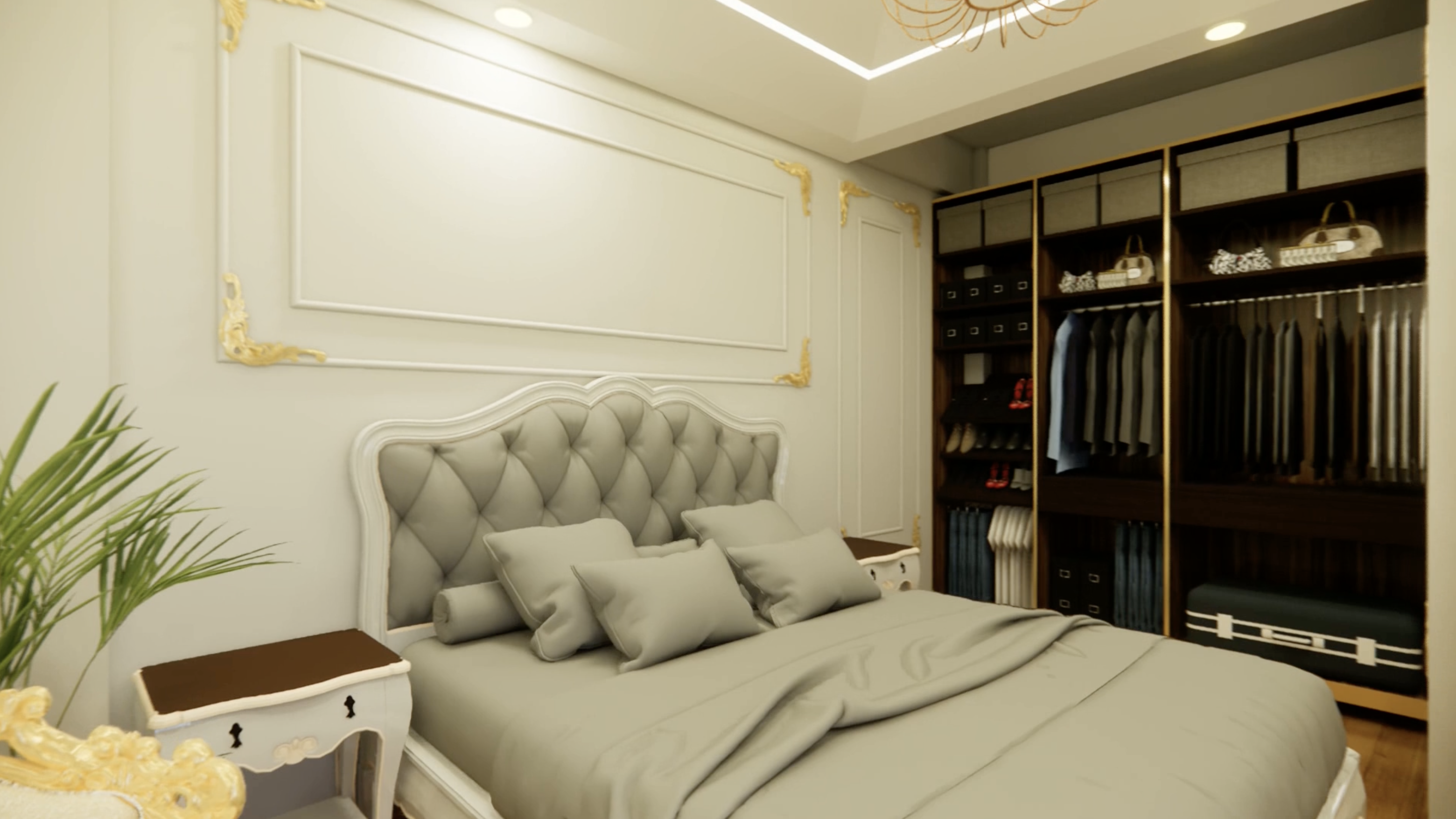 Interior design isn't just about making your home look pretty it's about creating spaces that work for your daily life. A good house interior designers in Nepal understand how to balance beauty with practicality, especially important in our homes where space is often limited. Today, homeowners are focusing more on smart house design in Nepal to improve comfort, functionality, and long-term property value. Think about how color, lighting, and furniture arrangement affect your mood when you walk into a room. A well-designed space can make you feel relaxed, energized, or focused depending on its purpose. Professional designers know exactly how to use these elements to create the right atmosphere for each room in your home.
Making the Most of Small Spaces
If you live in Kathmandu, Lalitpur, or Bhaktapur, you know that space comes at a premium. Space planning in Nepal requires creativity and expertise. The challenge isn't just fitting furniture into a room it's making every square foot count while keeping your home comfortable and stylish.
With urban living becoming more compact, modern house design in Nepal now emphasizes multifunctional layouts, efficient storage solutions, and open-space concepts.
Smart designers use clever techniques like:
- Multifunctional furniture that serves double duty
- Built-in storage that maximizes vertical space
- Light colors and mirrors to make rooms feel larger
- Flexible layouts that adapt to your changing needs
These strategies transform even the smallest apartment into a comfortable, functional home.
Increasing Your Property's Worth
Here's something many homeowners don't realize: good interior design increases property value significantly. A well-designed home can sell for 15-20% more than a comparable property with basic interiors.
Properties in Kathmandu like Karyabinayak Homes in Bhaisepati and Dusit Thani in Dhulikhel command premium prices partly because of their thoughtful interior design. When potential buyers or renters walk through your home, professional design creates an immediate positive impression that translates into higher offers.
Popular Interior Design Styles in Nepal (2025)
Traditional Meets Modern: The Perfect Blend
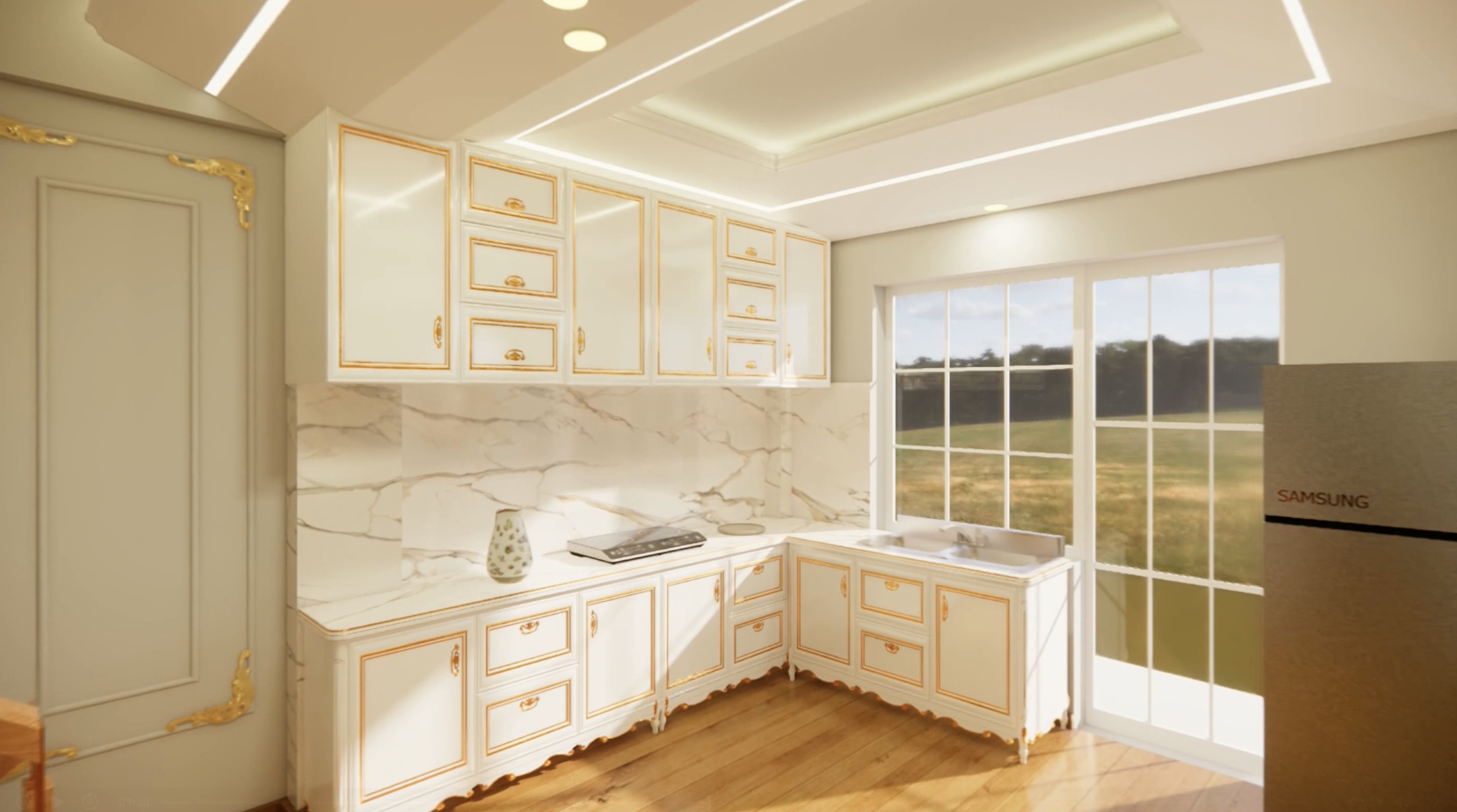 The most exciting trend in Nepali interior design right now is the fusion of traditional and contemporary styles. This isn't about choosing between old and newn it's about creating something uniquely Nepali that feels both timeless and fresh. The latest trends in house design in Nepal beautifully merge traditional Nepali craftsmanship with contemporary interior concepts for timeless appeal.
Imagine a living room with clean, modern lines enhanced by traditional thangka paintings on the walls. Or a contemporary kitchen with beautifully carved wooden cabinet doors inspired by classic Newari architecture. This blend appeals to all generations and gives your home a distinct character that foreign design styles simply can't match.
Popular traditional elements include:
- Hand-carved wooden windows and doors
- Dhaka fabric cushions and upholstery
- Brass and copper decorative items
- Traditional paintings and mandala art
- Locally woven rugs and mats
Sustainable Design: Good for Nepal, Good for You
Eco-friendly interior design in Nepal has grown from a niche trend to a mainstream choice. More homeowners are choosing sustainable materials not just for environmental reasons, but because they're often higher quality and support local craftsmen.
Renewable materials popular in Nepal include:
- Bamboo for furniture and decorative elements
- Reclaimed wood from old buildings
- Natural stone and clay products
- Locally sourced textiles
- Energy-efficient LED lighting
Using these materials reduces your environmental impact while creating jobs in local communities. Plus, natural materials often age beautifully, giving your home character that synthetic alternatives can't provide.
Minimalist Interiors: Simple and Elegant
Minimalist design in Nepal has captured the hearts of young professionals and modern families. This style focuses on "less is more"—keeping only what you truly need and love while maintaining a clean, peaceful environment.
Minimalist house design in Nepal works especially well for apartments and urban homes where simplicity, space optimization, and functionality are essential.
Why minimalism works so well in Nepal:
- Perfect for smaller urban apartments
- Easier to clean and maintain
- Creates a calm, stress-free atmosphere
- Timeless style that won't look dated
- Highlights quality over quantity
The key is choosing each piece carefully. One beautiful handcrafted wooden table makes more impact than three cheap alternatives. This approach actually saves money in the long run because you invest in quality pieces that last for decades.
Understanding Interior Design Costs in Nepal
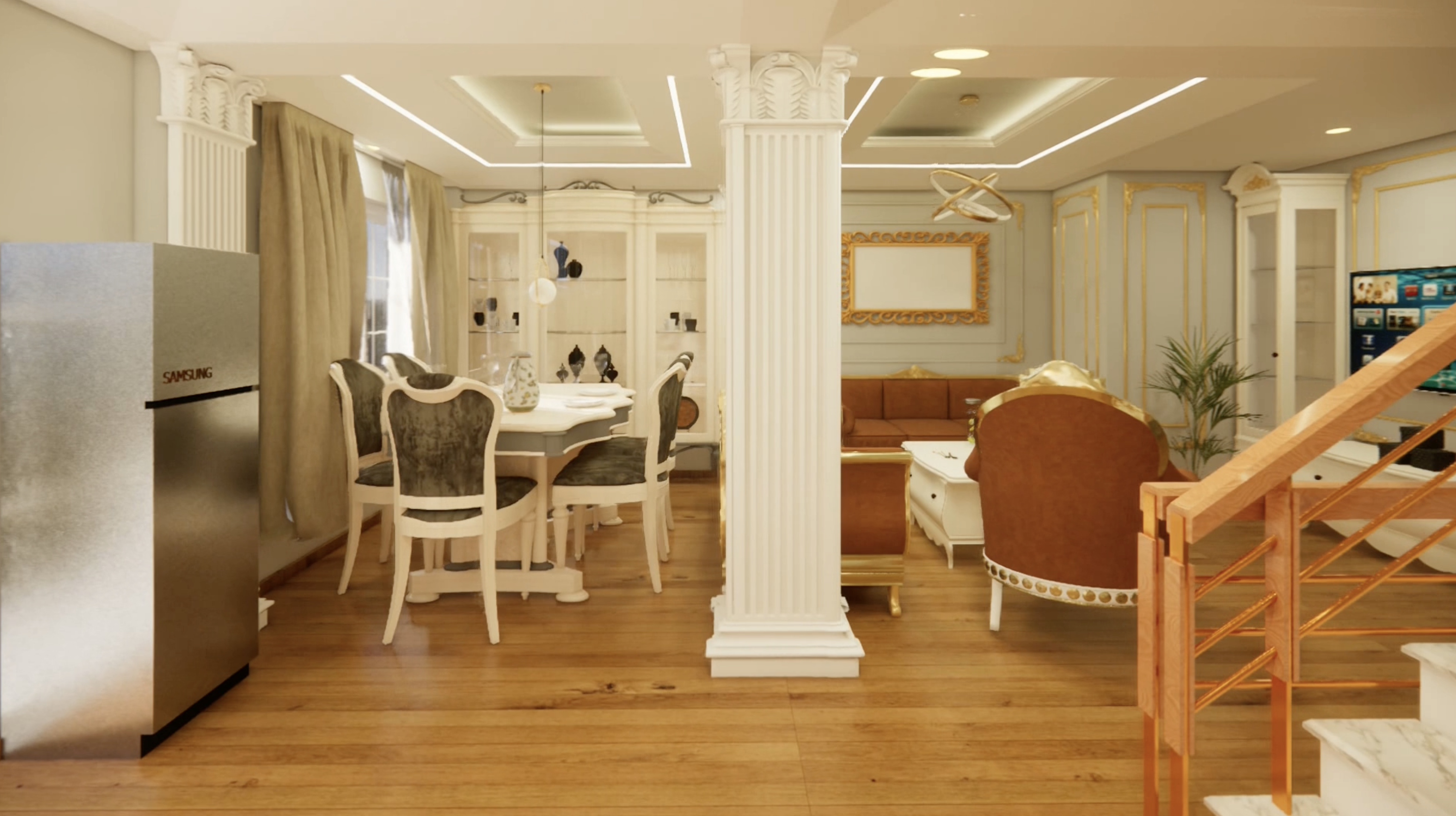 What Affects Your Budget?
Interior design costs in Kathmandu and other cities vary widely based on several factors. Understanding these helps you budget realistically and avoid surprises.
On average, expect to pay between NPR 1,500 to NPR 5,000 per square foot for complete interior design services. This range covers:
Budget Level (NPR 1,500-2,500/sq.ft):
- Basic materials and finishes
- Standard furniture and fixtures
- Limited custom work
- Simpler designs
Mid-Range (NPR 2,500-4,000/sq.ft):
- Better quality materials
- Some custom furniture
- More design detail
- Professional project management
Premium (NPR 4,000-5,000+/sq.ft):
- High-end materials
- Extensive custom work
- Complex designs
- Imported fixtures and fittings
Your project size and complexity matter too. A 1,000 square foot apartment with a straightforward design costs less per square foot than a 500 square foot space requiring extensive custom solutions.
Smart Ways to Save Money
You don't need a huge budget to improve your home. Here are practical budget-friendly interior design tips that work in Nepal:
DIY Projects That Make a Difference:
- Repaint walls yourself with guidance on color selection
- Upcycle old furniture with new paint or fabric
- Create your own wall art using local materials
- Install simple shelving for better organization
- Make decorative planters from locally available materials
Strategic Spending:
- Invest in quality basics (sofa, bed, dining table)
- Save on accessories you can change later
- Shop at local markets in Asan or Indrachowk for unique pieces
- Compare prices at multiple furniture showrooms
- Consider ready-made furniture with minor customization
Phased Approach: You don't need to complete everything at once. Many homeowners in Nepal start with essential rooms (bedroom, kitchen) and gradually complete other spaces as budget allows.
Living Room Interior Design in Nepal
The living room is the heart of every Nepali home. It is the first space guests see and the place where families spend most of their time. In 2026, living room interior designing in Nepal is all about clean layouts, warm colors, and smart furniture.
Most homes are shifting towards open layouts with comfortable sofas, wooden center tables, soft lighting, and wall mounted TV units. Wooden panel walls, indoor plants, and subtle ceiling lights are becoming common in Kathmandu and Pokhara apartments.
Average living room interior design cost in Nepal (2026):
- Basic to mid-range: NPR 3,00,000 to 6,00,000 for a typical living room project including furniture, lighting, and ceiling work.
- Luxury: NPR 12,00,000 or more if you include custom furniture, premium materials, imported fixtures, and smart systems.
Bedroom Interior Design in Nepal
Bedrooms are now being designed as calm personal spaces instead of just sleeping rooms. In 2026, bedroom interior design trends in Nepal focus on soft colors, warm lighting, and smart storage.
Popular features include custom wooden beds, wall side tables, sliding wardrobes, dressing units, and sound proof curtains. Many homeowners also prefer simple false ceilings with hidden LED lights to create a relaxing feel.
Bedroom interior design cost in Nepal (2026):
- Budget: Around NPR 3,00,000–5,00,000 for standard finishes and local furniture.
- Mid-range: NPR 6,00,000–10,00,000 for premium floors, built-in wardrobes, and designer lighting.
- Luxury: Over NPR 12,00,000+ with custom storage, imported fixtures, and tech features.
Kitchen Interior Design in Nepal
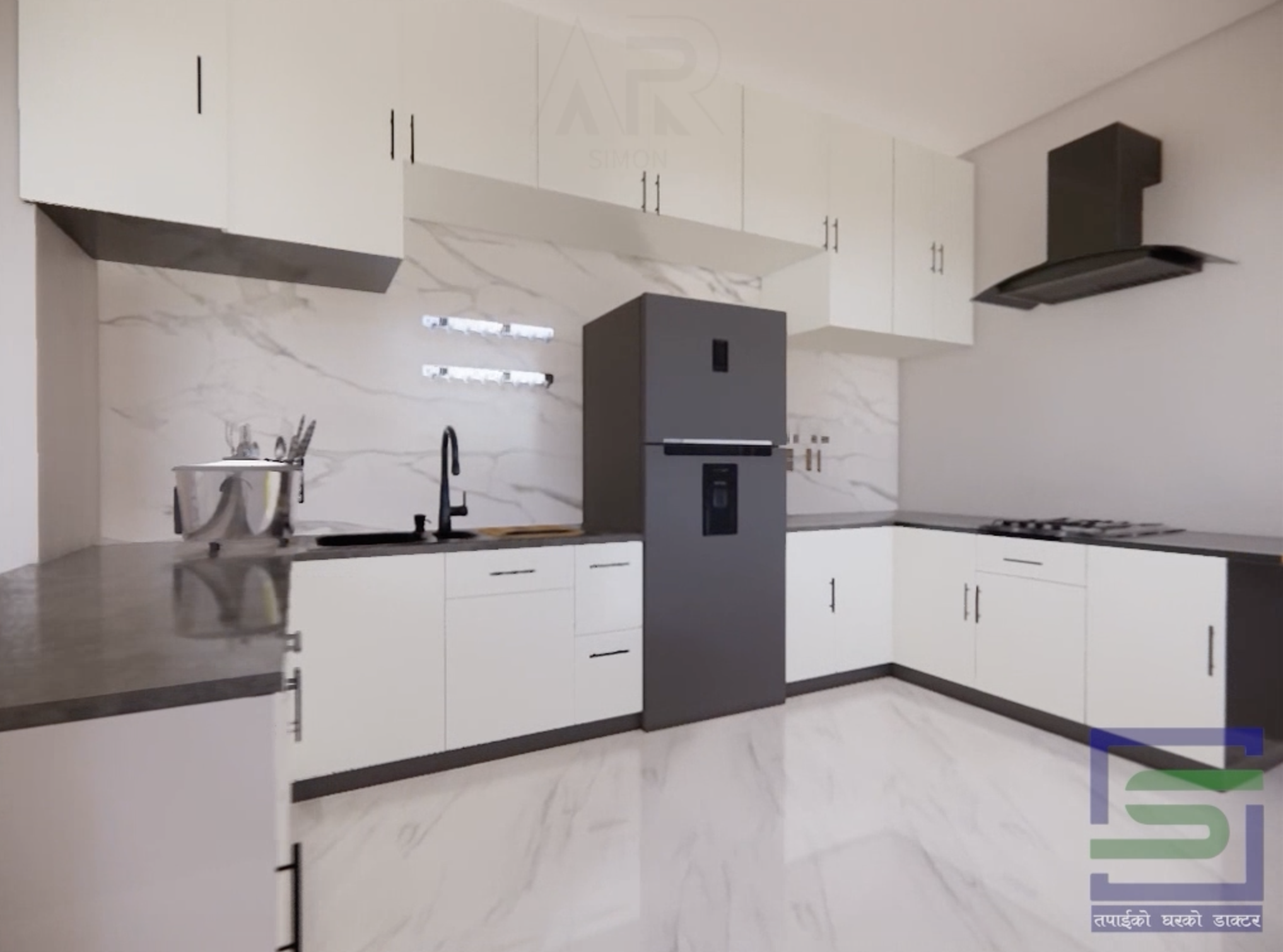
Kitchen interiors in Nepal have changed a lot in recent years. Modular kitchens are now the first choice for apartments and modern houses. In 2026, most kitchens follow open layouts, easy to clean cabinets, and durable granite or quartz countertops.
Popular kitchen interior features include soft close cabinets, built in chimneys, corner storage units, and under cabinet lighting. These designs help save space and make cooking easier.
Kitchen interior design cost in Nepal (2026):
- Straight-line kitchens: Around NPR 3,00,000–4,00,000.
- L-shaped kitchens: Around NPR 4,00,000–6,00,000.
- U-shaped or island kitchens: NPR 6,00,000–10,00,000+ depending on cabinetry materials and countertop choice.
Bathroom Interior Design in Nepal
Bathrooms are now being designed with comfort and hygiene in mind. Modern bathroom interiors in Nepal focus on water resistant materials, clean tiles, and smart fittings.
Most bathrooms now include wall mounted commodes, glass shower partitions, vanity units, and LED mirror lights. Anti slip floor tiles and good ventilation are also important features.
Bathroom interior design cost in Nepal (2026):
- Standard designs: NPR 1,00,000–1,50,000 with ceramic tiles and basic fixtures.
- Premium designs: NPR 2,50,000–3,00,000+ with glass shower partitions, designer fittings, and LED mirrors.
Office Cabin Interior Design in Nepal
Office cabin interiors in Nepal are becoming more professional and modern. Companies are investing in comfortable seating, noise control, and organized layouts to improve work performance.
Common office interior features include wooden workstations, file storage units, glass partitions, and branded wall designs. Proper lighting and cable management are also part of modern office design.
Office cabin interior design cost in Nepal (2026):
- Standard office fit-outs: Roughly NPR 1,500–3,500 per sq. ft. including workstations, partitions, and lighting.
- Premium corporate cabins: Could go above NPR 4,000 per sq. ft. with glass partitions, branding walls, and ergonomic furniture.
Notes on How Costs Are Calculated
Interior designers in Nepal often charge in one of these ways:
- Per square foot (common for full projects). Typical ranges are NPR 1,500 to 5,000 per sq. ft. depending on design level.
- Fixed room packages for specific rooms like kitchens or living rooms.
- Percentage of total project cost, often around 10–15% when designers manage procurement and execution.
Materials, local vs imported fittings, and complexity (custom cabinetry, lighting, smart systems) are the biggest cost factors.
Finding the Best Interior Designer in Nepal
 Professional Designer vs. DIY: What's Right for You?
This is one of the most common questions we hear. The answer depends on your specific situation, but here's how to decide:
Hire a Professional Designer When:
- You're working on a complete home renovation
- Your budget is over NPR 10 lakhs
- You lack time to manage the project
- You want guaranteed quality results
- The project involves structural changes
- You need help with permits and approvals
DIY Makes Sense When:
- You're updating a single room
- You have clear design ideas and time
- Your budget is very limited
- You enjoy hands-on projects
- Changes are purely cosmetic
Many homeowners in Nepal find a middle ground—hiring a designer for planning and major decisions, then handling simpler tasks themselves to save money.
How to Choose the Right Designer
Finding the best interior design company in Nepal requires research, but these steps make it easier:
Check Their Portfolio: Look at their previous work. Do you like their style? Have they completed projects similar to yours in size and budget? Pay attention to the variety in their portfolio—versatility shows adaptability.
Consider Experience: How long have they been practicing in Nepal? Do they understand local building codes and materials? Experience with Kathmandu's unique challenges (earthquakes, monsoons, space constraints) is valuable.
Read Reviews and Testimonials: What do past clients say? Look for reviews on Google, Facebook, and design websites. Ask the designer for references you can contact directly.
Discuss Their Process: A professional designer should clearly explain:
- How they handle project timelines
- Their fee structure (percentage, flat rate, or hourly)
- How they manage budgets and contractors
- Their communication style and availability
- What happens if you're unhappy with something
Verify Their Network: Good designers have established relationships with quality contractors, furniture makers, and suppliers. This network ensures better prices and reliable execution.
Request 3D Visualizations: Most interior designers in Kathmandu now offer 3D design previews. These help you see the final result before implementation, reducing the risk of disappointment.
Getting Started: Your Step-by-Step Guide
Step 1: Define Your Vision and Set Your Budget
Before contacting any designer, spend time clarifying what you want. This preparation makes the process smoother and helps you get better value.
Create a Vision Board:
- Collect images of spaces you love (Pinterest, Instagram, magazines)
- Note what specifically appeals to you (colors, styles, specific elements)
- Consider your lifestyle needs (do you entertain? have children? work from home?)
- Think about must-haves vs. nice-to-haves
Set a Realistic Budget: Be honest about what you can afford. In Nepal, a realistic budget for complete home interior design typically starts around NPR 15-20 lakhs for a standard apartment. Include:
- Design fees (usually 10-15% of total project cost)
- Materials and furniture
- Labor and installation
- Contingency fund (add 10-15% for unexpected costs)
Popular Design Styles to Consider:
- Minimalist: Clean lines, neutral colors, clutter-free
- Bohemian (Boho): Eclectic, colorful, artistic
- Industrial: Exposed materials, metal accents, urban feel
- Scandinavian: Light, natural materials, functional
- Contemporary: Current trends, sleek, comfortable
- Traditional Nepali: Cultural elements, warm colors, handcrafted details
- Mid-Century Modern: Retro-inspired, wood tones, simple forms
- Farmhouse: Rustic, cozy, natural textures
Step 2: Research and Interview Designers
Don't hire the first designer you meet. Interview at least three to compare:
Questions to Ask:
- What is your design philosophy?
- Can you work within my budget?
- What's your estimated timeline for my project?
- How do you handle changes or disagreements?
- Who will be my main point of contact?
- Do you handle contractor coordination?
- What happens if the project goes over budget?
Warning Signs to Avoid:
- Refusing to provide references
- Unclear or vague contracts
- Demanding full payment upfront
- Not listening to your preferences
- Unable to show relevant portfolio examples
Step 3: Plan Your Timeline
Residential Interior Design Projects:
- Small apartments (500-800 sq.ft): 2-3 months
- Medium homes (800-1500 sq.ft): 4-6 months
- Large homes (1500+ sq.ft): 6-12 months
Factors That Can Cause Delays:
- Monsoon season affecting material delivery
- Custom furniture production time
- Permit approvals from local authorities
- Material shortages
- Design changes during execution
- Client decision-making delays
Plan ahead and build buffer time into your schedule, especially if you have a move-in deadline.
Incorporating Nepali Culture Into Your Home
One of the best aspects of interior design in Nepal is the opportunity to celebrate our rich cultural heritage. Here's how to do it tastefully:
Authentic Nepali Elements
Art and Crafts:
- Thangka Paintings: These sacred Buddhist artworks make stunning focal points in living rooms or meditation spaces
- Wooden Carvings: Traditional window frames (jhyal) or carved panels add character to modern walls
- Dhaka Fabric: Use this distinctive woven textile for cushions, table runners, or upholstery accents
- Mandala Art: Either traditional or contemporary interpretations create beautiful wall features
Functional Cultural Items:
- Brass and Copper Decor: Water vessels, lamps, and decorative plates bring warmth and tradition
- Hand-Woven Rugs: Support local weavers while adding texture and comfort
- Pottery: Traditional Nepali clay pots work beautifully as planters or decorative pieces
- Rattan Furniture: Locally made rattan chairs and tables are both sustainable and stylish
Modern Ways to Use Traditional Elements
The key is balance. You don't want your home to feel like a museum, but rather a space that honors heritage while remaining livable and contemporary.
Subtle Integration:
- One thangka painting in an otherwise minimalist room
- Modern furniture with traditional fabric upholstery
- Clean white walls with carved wooden door frames
- Contemporary lighting fixtures in brass finishes
This approach creates a uniquely Nepali aesthetic that feels both rooted and fresh.
Frequently Asked Questions(FAQs)
Q1. What is the cost of interior designing in Nepal?
The cost varies depending on space size, materials, and design complexity. On average, it ranges from NPR 1,500 to NPR 5,000 per sq. ft.
Q2. Who is the best interior designer in Kathmandu, Nepal?
Several reputed interior designers in Kathmandu offer customized solutions. Choosing an experienced firm ensures quality work tailored to your needs.
Q3. What are the latest interior design trends in Nepal?
Modern Nepalese interior design incorporates minimalism, sustainable materials, smart lighting, and multifunctional furniture.
Q4. How do I choose the best interior design company in Nepal?
Look for an interior design company with experience, a strong portfolio, customer reviews, and transparent pricing.
Q5. Can I get budget-friendly interior design services in Nepal?
Yes, many interior designers in Nepal offer cost-effective solutions without compromising quality.
Q6. How long does an interior design project take in Nepal?
Depending on the project size, it can take anywhere from a few weeks to several months.
Q7. What materials are commonly used in Nepalese interior design?
Wood, marble, bamboo, glass, and eco-friendly materials are popular choices for homes and offices.
Q8. Do interior designers in Nepal provide 3D design previews?
Yes, most interior designers offer 3D visualizations to help clients see the final outcome before implementation.
Q9. What is the difference between residential and commercial interior design in Nepal?
Residential design focuses on comfort and aesthetics, while commercial design emphasizes functionality, branding, and space optimization.
Q10. Where can I find the best interior furniture and décor in Nepal?
You can find high-quality furniture and décor in showrooms across Kathmandu, Lalitpur, and Bhaktapur, as well as online stores.
Q11. What is the average timeframe for a design project?
Typical timelines for residential and commercial projects.
- Residential projects
- Small to medium homes (6/9 months)
- Larger homes (9/12 months or more)
- Commercial projects
- Small commercial spaces (3/6 months)
- Larger buildings (12/24 months)
Factors that can cause delays.
- Weather
- Permitting issues
- Labor shortage
- Design change
- Lack of coordination
- Client decision making
Q12. How Can I Incorporate Nepali Culture in My Interiors?
Incorporating nepali art and heritage into interior designs can infuse your space with cultural richness and a sense of authenticity. Here are some design ideas inspired by nepali art and heritage :
- Thangka paintings
- Dhaka fabric
- Wooden carving
- Brass and copper decor
- Mandala art
- Hand woven mats and rugs
- Nepali doors and windows
- Pottery
- Rattan furnitures
- Nepali chandeliers
Q13. Is Interior Designing Only for Luxury Homes?
Interior designing is accessible and beneficial for all types of homes because it can be tailored to fit any budget, space, and style.
Whether in a small apartment or a large house, design solutions can maximize functionality and enhance comfort. From budget-friendly DIY projects to high-end furnishings, interior design is adaptable to various financial constraints.
It allows homeowners to personalize their spaces, reflect their unique tastes, and improve the overall ambiance.
Q14. What is the cost difference between luxury and budget interior design in Nepal?
Luxury projects can cost over NPR 5,000 per sq. ft., while budget-friendly solutions can start around NPR 1,200 per sq. ft.
Q15. Do interior designers in Nepal handle renovations as well as new construction?
Yes, many designers offer renovation services including remodeling, space optimization, and interior makeovers.
Q16. Can I hire an interior designer for just one room in Nepal?
Yes, designers offer flexible services and can work on individual rooms like kitchens, bedrooms, or living areas.
Q17. Are eco-friendly designs popular in Nepal?
Yes, sustainable and environmentally friendly designs using bamboo, recycled wood, and low-energy lighting are increasingly popular.
Q18. How do interior designers in Nepal charge—fixed price or per sq. ft.?
Most designers charge per sq. ft., while some offer a fixed project rate or hourly consulting fees.
Q19. Can I get modular kitchen designs in Nepal?
Yes, modular kitchens are widely available and designers can customize them to fit small or large spaces.
Q20. Do interior designers in Nepal provide furniture sourcing services?
Many designers offer furniture procurement, ensuring pieces match the overall design theme.
Q21. How do interior designers in Nepal handle lighting design?
They plan ambient, task, and accent lighting, often incorporating smart lighting solutions.
Q22. Can I mix modern and traditional Nepalese styles in my home?
Yes, designers frequently blend contemporary layouts with traditional Nepali décor elements.
Q23. Are online interior design services available in Nepal?
Yes, some firms provide remote consultations, design plans, and 3D visuals without needing onsite visits.
Q24. How important is a site visit by the interior designer?
Site visits are crucial for accurate measurements, understanding space limitations, and planning the design effectively.
Q25. What are common flooring options used in Nepalese interiors?
Popular flooring includes hardwood, laminate, tiles, marble, and polished concrete.
Q26. Can interior designers in Nepal help with budget management?
Yes, experienced designers can provide cost estimates and suggest alternatives to meet budget constraints.
Q27. Are custom furniture solutions available in Nepal?
Yes, many designers collaborate with carpenters and craftsmen to create bespoke furniture pieces.
Q28. How can small apartments benefit from interior design in Nepal?
Through smart storage solutions, multifunctional furniture, and space-saving layouts, small homes can be made functional and stylish.
Q29. Do interior designers help with color selection?
Yes, they provide guidance on wall colors, accent tones, and color schemes that suit the space and lighting.
Q30. Can interior design improve the resale value of my property in Nepal?
Well-designed interiors can make homes more attractive to buyers and often increase market value.
Conclusion: Creating Your Dream Space in Nepal
Interior design in Nepal offers incredible opportunities to create spaces that are both beautiful and functional while celebrating our unique cultural identity. Whether you're working with a modest budget or planning a luxury renovation, professional design guidance ensures better results and often saves money in the long run.
The key takeaways:
- Good design improves daily life and property value
- Sustainable, locally sourced materials benefit everyone
- Professional designers prevent costly mistakes
- You can incorporate Nepali culture in modern ways
- Budget-friendly options exist for every homeowner
Now is the perfect time to explore interior design services in Nepal. The industry has matured significantly, offering professional expertise at various price points. Whether you choose to work with the best interior designer in Kathmandu or take a DIY approach with professional consultation, transforming your space is more accessible than ever. Your home should reflect who you are while meeting your practical needs. With thoughtful planning and the right guidance, you can create a space that you'll love for years to come. Ready to start your interior design journey? Define your vision, set your budget, and reach out to experienced designers who understand both your aesthetic goals and practical constraints. Your dream home in Nepal is closer than you think.