Pipes in Nepal: A Complete Guide to Types, Uses, and Pricing
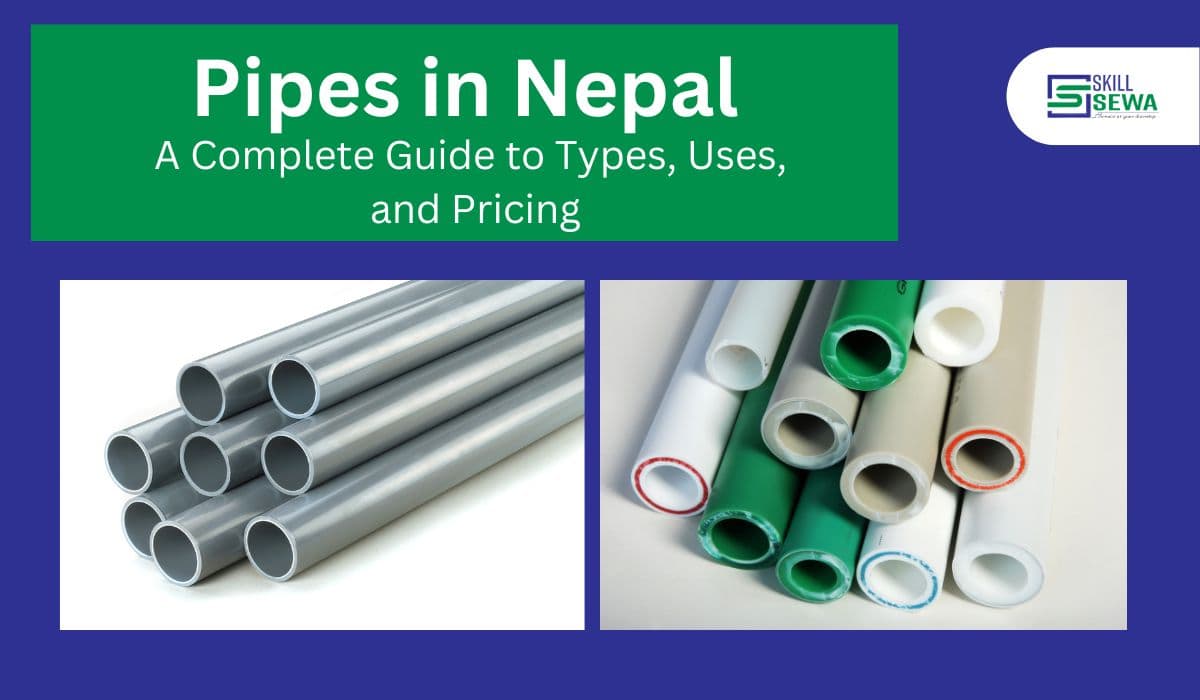
Pipes are an essential part of construction, plumbing, and irrigation systems in Nepal. Choosing the right type of pipe ensures durability, cost-effectiveness, and efficiency. Whether for home plumbing, water supply, drainage, or industrial use, understanding different types of pipes in Nepal can help you make an informed decision. When searching for PVC pipe price in Nepal, it is important to also understand other pipe types, as pricing depends on material, brand, size, and application. In this guide, we’ll explore the types of pipes available in Nepal, their uses, pricing, and factors to consider before buying.
Types of Pipes Available in Nepal
1. PVC Pipes (Polyvinyl Chloride Pipes)
PVC pipes are widely used for plumbing, irrigation, and drainage systems in Nepal. They are lightweight, corrosion-resistant, and affordable. PVC pipes are one of the most searched categories when people look for PVC pipe price in Nepal due to their cost-effectiveness.
✅ Advantages:
- Lightweight and easy to transport and install
- Corrosion and rust resistant
- Affordable and widely available in Nepal
- Smooth inner surface ensures better water flow
- Low maintenance cost
❌ Disadvantages:
- Not suitable for hot water (can deform at high temperatures)
- Becomes brittle in very cold conditions
- Limited strength compared to metal pipes
- Can crack under high pressure or heavy load
2. CPVC Pipes (Chlorinated Polyvinyl Chloride Pipes)
CPVC pipes are an upgraded version of PVC pipes with better heat resistance. They are commonly used for hot and cold water supply systems.
✅ Advantages:
- Suitable for both hot and cold water supply
- Higher temperature resistance than PVC
- Corrosion and chemical resistant
- Long lifespan with low maintenance
- Safe for drinking water systems
❌ Disadvantages:
- More expensive than PVC pipes
- Can become brittle over time in harsh conditions
- Requires proper fittings and skilled installation
- Not ideal for high-impact external pressure
3. GI Pipes (Galvanized Iron Pipes)
GI pipes are made of iron or steel coated with zinc to prevent rusting. They are commonly used for water supply and gas pipelines.
✅ Advantages:
- Strong and durable
- Good for high-pressure water systems
- Can handle mechanical stress
- Widely used in traditional plumbing systems
- Long-lasting when properly maintained
❌ Disadvantages:
- Prone to rust and corrosion over time
- Heavy and difficult to install
- Internal scaling reduces water flow
- Higher maintenance cost
- Not suitable for highly acidic or salty water
4. HDPE Pipes (High-Density Polyethylene Pipes)
HDPE pipes are flexible, durable, and resistant to chemicals. They are widely used in water supply, gas pipelines, and drainage systems in Nepal.
✅ Advantages:
- Highly flexible and easy to install
- Resistant to chemicals and corrosion
- Long lifespan (up to 50+ years)
- Leak-proof joints (fusion welding)
- Ideal for underground and uneven terrain
❌ Disadvantages:
- Not suitable for high-temperature water
- Requires special welding equipment
- Can be damaged by UV exposure if unprotected
- Higher initial installation skill required
5. PPR Pipes (Polypropylene Random Copolymer Pipes)
PPR pipes are commonly used for hot and cold water supply. They are highly durable and have a long lifespan.
✅ Advantages:
- Excellent for hot and cold water supply
- Long-lasting and durable
- Corrosion and chemical resistant
- Smooth inner surface reduces scaling
- Low maintenance and hygienic
❌ Disadvantages:
- Higher cost than PVC and GI pipes
- Requires heat fusion welding for joints
- Not flexible like HDPE pipes
- Can expand with temperature changes if not installed properly
6. Concrete Pipes (RCC Pipes)
Reinforced Cement Concrete (RCC) pipes are used for large drainage systems, sewage systems, and culverts in Nepal.
✅ Advantages:
- Extremely strong and durable
- Ideal for large drainage and sewage systems
- Can handle heavy loads and pressure
- Long service life
- Suitable for underground use
❌ Disadvantages:
- Very heavy and difficult to transport
- Expensive installation process
- Prone to cracking if not properly handled
- Requires machinery for placement
- Not suitable for small plumbing systems
Uses of Pipes in Nepal
Pipes in Nepal are used for various applications, including:
Factors to Consider Before Buying Pipes in Nepal
1. Purpose of Use
Choose pipes based on whether they will be used for plumbing, drainage, irrigation, or industrial needs.
2. Durability & Lifespan
Invest in pipes that offer long-term durability to avoid frequent replacements.
3. Budget & Cost
Compare the price of different types of pipes and choose one that fits your budget without compromising quality.
4. Weather & Temperature Resistance
If installing in areas with extreme temperatures, select pipes with high heat or cold resistance (e.g., CPVC or PPR pipes).
5. Installation & Maintenance
Some pipes require specialized tools and fittings for installation. Consider ease of maintenance and repair.
Price of Pipes in Nepal
The cost of pipes in Nepal varies depending on the material, size, and brand. Below is an estimated price range:
Note: Prices may vary based on market demand and brand.
Best Pipe Brands in Nepal
Some of the most popular pipe brands in Nepal include:
Conclusion
Choosing the right pipes in Nepal depends on the purpose, durability, and budget. Whether for home plumbing, irrigation, drainage, or industrial applications, understanding different types of pipes and their pricing can help you make an informed decision. If you are specifically comparing PVC pipe price in Nepal, PVC remains one of the most affordable and widely used options for residential and agricultural needs. For long-lasting and efficient piping solutions, always buy from trusted brands and consult with professionals before installation. Investing in high-quality pipes ensures better performance, safety, and reduced maintenance costs in the long run.