Top Residential Building Contractor in Nepal | Build Smart
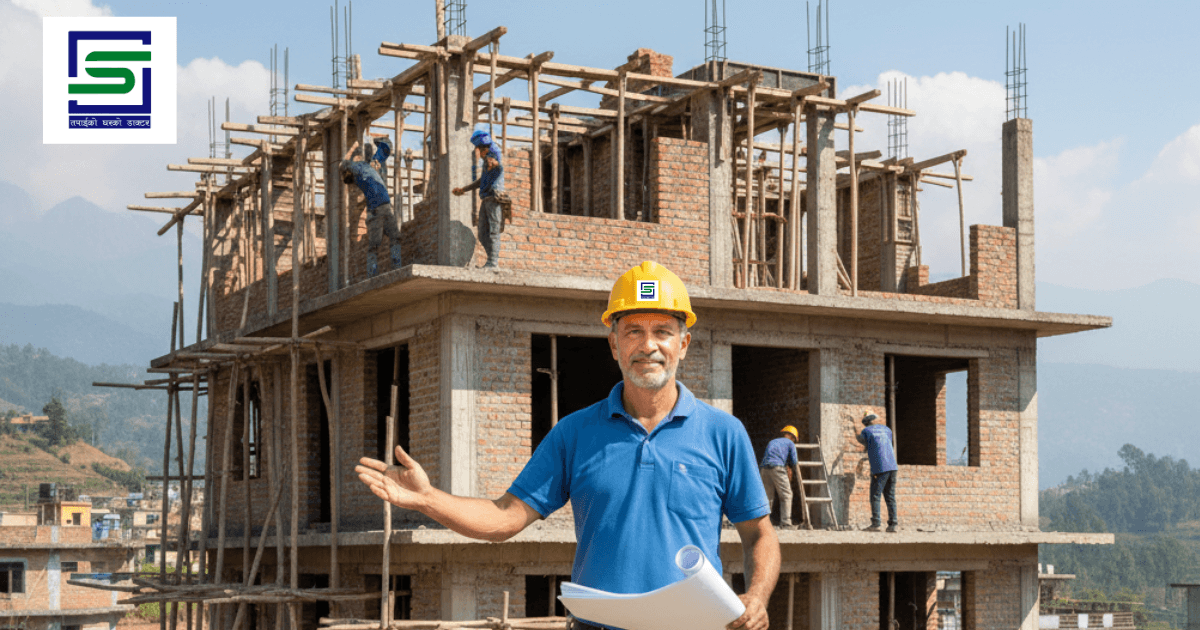
Summary: Residential Building Contractor in Nepal
This blog is a comprehensive, step-by-step guide for anyone planning to build a residential home in Nepal, explaining why choosing the right residential building contractor in Nepal is the most critical decision in the entire construction journey.
Introduction
Building your dream home in Nepal requires more than just bricks and cement it demands a residential building contractor in Nepal who understands local architecture, seismic requirements, and your vision. Whether you're planning a modern villa in Kathmandu or a traditional home in Pokhara, choosing the right home construction companies in Nepal for residential building makes all the difference between a house that simply stands and a home that truly endures. At the heart of successful home building lies expertise, trust, and local knowledge. Nepal's unique geographical challenges from monsoon weather to seismic activity require contractors who don't just build homes but create safe, lasting structures for families.
In this comprehensive guide, you'll discover everything you need to know about hiring a residential building contractor in Nepal, from understanding services and costs to ensuring quality and safety. Let's turn your vision into reality.
What Does a Residential Building Contractor Do?
A residential building contractor in Nepal serves as your single point of contact for the entire home construction process. Think of them as the conductor of an orchestra, coordinating different specialists to create harmony.
Core Responsibilities
Project Planning and Design Your contractor works with architects to translate your ideas into workable blueprints. They consider your lifestyle needs, budget constraints, and the unique features of your land whether it's a hillside plot in Lalitpur or flat terrain in Bhaktapur.
Permit and Approval Management Navigating Nepal's municipal approval processes can be complex. A professional contractor handles all paperwork, from land ownership verification to building permits, ensuring compliance with local regulations.
Resource Coordination They manage the entire supply chain sourcing quality cement, bricks, steel, and timber while coordinating skilled workers including masons, electricians, plumbers, and carpenters.
Quality Control and Timeline Management Regular site inspections, material testing, and progress monitoring ensure your project stays on track and meets quality standards. They solve problems before they become costly delays.
Budget Management Professional contractors provide detailed cost breakdowns and track expenses, helping you avoid budget overruns while maintaining quality standards.
Why Nepal's Construction Landscape Is Unique?
Seismic Safety Requirements
Nepal sits on one of the world's most active seismic zones. The 2015 Gorkha earthquake was a tragic reminder of why earthquake-resistant construction isn't optional it's essential.
The National Building Code (NBC) Since 2015, Nepal's building codes have become stricter. The NBC 105:2020 mandates specific requirements for residential structures, including:
- Reinforced concrete frames with proper column-beam connections
- Ring beams at every floor level
- Foundation designs that account for soil type and seismic activity
- Lateral load resistance systems
A qualified residential building contractor in Nepal must be certified by the Nepal Engineering Council (NEC) and thoroughly understand these requirements.
Climate Considerations
Monsoon-Proof Construction Nepal's monsoon season brings heavy rainfall from June to September. Your home needs:
- Proper waterproofing for foundations and roofs
- Adequate drainage systems
- Moisture-resistant materials for walls and floors
Temperature Variations From Terai's heat to mountain region cold, Nepal experiences extreme temperature ranges. Quality contractors use appropriate insulation and ventilation designs for your specific location.
Terrain Challenges
Building on hillsides requires specialized foundation techniques, while flat areas in Kathmandu Valley need earthquake-resistant shallow foundations. Local expertise matters significantly.
Services Offered by Professional Residential Building Contractors

1. Complete Home Construction
This full-service option covers everything from empty plot to move-in ready home:
- Architectural design and planning
- Structural engineering
- Foundation and structural work
- Masonry and finishing
- Electrical and plumbing systems
- Interior and exterior finishing
Best For: First-time homeowners who want a hassle-free experience with single-point accountability.
2. Custom Home Design Services
Working with in-house or partnered architects, contractors create homes that reflect your personality:
- Modern minimalist designs
- Traditional Newari architecture
- Contemporary fusion styles
- Space-efficient layouts for urban plots
Best For: Families with specific aesthetic visions or unique plot constraints.
3. Home Renovation and Extension
Transform your existing home with:
- Additional floors or room extensions
- Structural retrofitting for earthquake resistance
- Modern upgrades (bathrooms, kitchens)
- Facade improvements
Best For: Homeowners looking to upgrade rather than relocate.
4. Project Management Services
If you've already got designs, contractors can provide:
- Labor coordination
- Material procurement
- Quality supervision
- Timeline management
Best For: Clients who want to retain design control but need professional execution.
The Complete Home Building Process: Step by Step

Phase 1: Consultation and Planning (2-3 weeks)
Initial Meeting Share your vision, budget, and timeline. A good contractor listens more than they talk, asking questions about your lifestyle, family needs, and future plans.
Site Assessment The contractor visits your plot to evaluate soil conditions, accessibility, existing utilities, and any geographical challenges. This informs both design and cost estimates.
Feasibility Study Based on your requirements and site conditions, they provide a realistic assessment of what's possible within your budget.
Phase 2: Design Development (4-6 weeks)
Architectural Design Architects create preliminary sketches, which evolve through your feedback into detailed blueprints. Expect 2-3 revision rounds.
Structural Engineering Engineers calculate load-bearing requirements, foundation specifications, and ensure earthquake-resistant design compliance.
Cost Estimation You receive a detailed breakdown of all costs materials, labor, professional fees, permits, and contingencies.
Phase 3: Approvals and Permits (3-5 weeks)
Your contractor handles:
- Municipal building permits
- Structural design approvals from NEC-certified engineers
- Utility connection permits (electricity, water, sewage)
- Environmental clearances (if required)
Phase 4: Construction (6-12 months)
Foundation Work (3-4 weeks) Excavation, reinforcement installation, and concrete pouring for foundations and ground beams.
Structural Framework (2-3 months) Column and beam construction, floor slabs, and structural walls rise floor by floor.
Masonry and Roofing (1-2 months) Brick walls, plastering, and roof structure completion. Waterproofing is applied.
Systems Installation (1-2 months) Electrical wiring, plumbing, septic systems, and water storage installation.
Finishing Work (2-3 months) Flooring, painting, carpentry, fixtures, and final touches that make a house feel like home.
Phase 5: Inspection and Handover (1-2 weeks)
- Third-party quality inspections
- Municipal final approval
- Utility connections activation
- Walkthrough with detailed maintenance instructions
- Warranty documentation
Understanding Construction Costs in Nepal
Average Cost Breakdown
The cost of building a residential home in Nepal varies significantly based on location, materials, and finishing quality.
Basic Construction (Economy Range)
- NPR 3,500 - 4,500 per square foot
- Standard materials (local bricks, basic tiles)
- Simple finishing (basic paint, standard fixtures)
- Local labor
- Best for: Budget-conscious builders, rental properties
Standard Construction (Mid-Range)
- NPR 4,500 - 5,500 per square foot
- Quality materials (branded cement, better tiles)
- Moderate finishing (textured paint, mid-range fixtures)
- Experienced labor
- Best for: Most family homes, good quality-price balance
Premium Construction (High-End)
- NPR 5,500 - 7,000+ per square foot
- Premium materials (imported tiles, hardwood)
- Luxury finishing (designer fixtures, custom elements)
- Specialized craftsmen
- Best for: Luxury homes, architectural showcase properties
Cost Components
Materials (40-45% of total cost)
- Cement, bricks, steel, sand, aggregates
- Tiles, paint, doors, windows
- Electrical and plumbing materials
- Fixtures and fittings
Labor (30-35% of total cost)
- Skilled workers (masons, carpenters, electricians, plumbers)
- Unskilled labor (helpers, material handlers)
- Supervision and site management
Professional Fees (10-12% of total cost)
- Architectural design
- Structural engineering
- Contractor's management fee
Other Costs (8-10% of total cost)
- Permits and approvals
- Testing and inspections
- Contingency reserves
- Temporary structures and utilities
Example: 2000 Square Foot Home
Standard Quality Construction:
- Base construction: NPR 5,000/sq ft × 2000 = NPR 1,00,00,000
- Permits and approvals: NPR 2,00,000
- Contingency (10%): NPR 10,00,000
- Total Investment: NPR 1,12,00,000
This gives you a comfortable family home with 3-4 bedrooms, modern kitchen, 2-3 bathrooms, living and dining areas, built to current safety standards.
How to Choose the Right Residential Building Contractor
Essential Qualifications to Verify
1. Proper Licensing
- Nepal Engineering Council (NEC) registration
- Valid trade license from local municipality
- Professional liability insurance
2. Proven Experience
- Minimum 5-10 years in residential construction
- Portfolio of completed projects you can visit
- Experience with projects similar in size and complexity to yours
3. Technical Expertise
- In-house or partnered structural engineers
- Knowledge of current NBC building codes
- Familiarity with local soil conditions and climate
4. Financial Stability
- Established business with permanent office
- Ability to provide bank guarantees if required
- Transparent payment structures
Red Flags to Watch For
Avoid contractors who:
- Ask for large upfront payments (50%+)
- Cannot provide references or completed project addresses
- Offer prices significantly lower than competitors (usually corners are cut)
- Are vague about timelines and specifications
- Don't provide written contracts or warranties
- Lack proper licensing or insurance
Questions to Ask Before Hiring
- "How many similar projects have you completed in the last 2 years?" Look for relevant, recent experience.
- "Can I visit 2-3 of your completed projects and speak with those homeowners?" Past clients provide honest insights into reliability and quality.
- "What's your typical project timeline, and what factors might cause delays?" Tests their realism and planning capabilities.
- "How do you handle changes or unexpected issues during construction?" Reveals their flexibility and problem-solving approach.
- "What warranties do you provide, and what do they cover?" Shows confidence in their work quality.
- "Who will be my primary point of contact during construction?" Ensures clear communication channels.
- "How do you handle payments, and what documentation will I receive?" Protects you financially with proper tracking.
Top Residential Building Contractors in Nepal
The below given are the best residential building contractors who have done a lot of projects and have build a great authorization in Nepal.
Company Name | Location / Headquarters | Specialization / Notes |
NEBCO Construction | Kathmandu | Full-service construction including residential, commercial & infrastructure; 30+ years experience. |
Religare Construction Pvt. Ltd. | Lalitpur | Residential & commercial building services, MEP and project management. |
Pride Construction | Kathmandu | Residential, renovation and interior design solutions. |
Nepal Adarsh Nirman Sewa | Kathmandu | Long-established company with experience in housing and infrastructure. |
Lama Construction | Kathmandu | Engineering, house & commercial construction. |
Swachchhanda Nirman Sewa Pvt. Ltd. | Kathmandu | Road, building, and water infrastructure projects. |
Kalika Construction Pvt. Ltd. | Kathmandu | “A Class” contractor involved in bridges, buildings & major civil works. |
Skill Sewa Pvt. Ltd. | Nepal-wide | Construction services including residential and renovation. |
Quality Materials: What Professional Contractors Use
Cement and Concrete
Top Brands in Nepal:
- Shivam Cement (popular for strength and consistency)
- Hongshi Cement (known for durability)
- Harisiddhi Cement (local trusted brand)
Quality Standards: Professional contractors use only cement meeting IS 8112 standards with minimum compressive strength of 43 MPa after 28 days.
Bricks
Types Used:
- Machine-pressed bricks: Uniform size, better strength
- Hand-molded bricks: Traditional, good for load-bearing walls
- Hollow blocks: Lightweight, good thermal insulation
Quality Check: Water absorption should be under 20% per NBC standards. Good contractors test random samples before bulk purchase.
Steel Reinforcement
Brands:
- Shree Ram Steel
- Hama Steel
- Shree Steel
Specifications: Fe 500 grade steel (500 MPa yield strength) is standard for earthquake-resistant construction. All steel should have ISI marks.
Roofing Materials
Options:
- RCC (Reinforced Cement Concrete) slabs: Most common, provides additional living space on top
- Traditional tile roofing: Better insulation, aesthetically pleasing
- Metal sheets: Cost-effective for temporary or shed structures
Earthquake-Resistant Construction in Nepal
Why It Matters?
The 2015 earthquake destroyed over 600,000 homes. Proper earthquake-resistant design isn't about preventing all damage it's about ensuring structures don't collapse, giving occupants time to escape safely.
Key Earthquake-Resistant Features
1. Strong Foundations
- Properly designed footings based on soil testing
- Adequate depth (minimum 1.5 meters)
- Reinforced tie beams connecting all footings
2. Ductile Frame Design
- Reinforced concrete columns and beams
- Proper reinforcement detailing at joints
- Adequate spacing of stirrups (ties)
3. Ring Beams
- Continuous beams around building perimeter at each floor
- Ties the structure together
- Prevents walls from separating during shaking
4. Proper Wall Construction
- Horizontal reinforcement in masonry walls
- Vertical reinforcement at regular intervals
- Good bond between walls and frame
5. Lightweight Roofing
- Reduces mass that building must resist during earthquakes
- Properly anchored to supporting structure
NBC Compliance
A professional residential building contractor in Nepal ensures every element meets NBC 105:2020 requirements. This includes:
- Structural drawings stamped by NEC-registered engineers
- Material testing certificates
- Regular inspections at key construction stages
- Final structural audit before occupancy
Common Mistakes to Avoid When Building
1. Choosing Contractor Based Solely on Price
The cheapest bid often leads to the most expensive house. Low prices usually mean:
- Substandard materials
- Inexperienced labor
- Shortcuts on safety features
- Hidden costs that emerge later
Better Approach: Compare value what you get for the price, not just the bottom line.
2. Not Having a Detailed Written Contract
Verbal agreements lead to disputes. Your contract should specify:
- Exact scope of work
- Material specifications and brands
- Payment schedule tied to milestones
- Timeline with completion date
- Warranty terms
- How changes will be handled
3. Skipping the Site Supervision
Even with a great contractor, regular visits matter. You'll catch issues early and ensure your vision is being executed correctly.
Tip: Visit at different times morning, afternoon, and unexpected drop-ins give you a complete picture.
4. Making Too Many Changes Mid-Construction
Every change adds costs and delays. Finalize major decisions during the design phase. Mid-construction changes can affect structural integrity if not properly engineered.
5. Ignoring Proper Drainage
Water damage destroys more Nepali homes than earthquakes. Ensure:
- Proper slope away from foundations
- Functional gutters and downspouts
- Adequate storm water management
- Waterproofing in basements and ground floors
6. Compromising on Foundation Quality
The foundation is hidden once construction proceeds, but it's your home's most critical element. Never cut costs here. Insist on:
- Proper soil testing
- Adequate depth and reinforcement
- Quality cement and proper curing
- Professional supervision during foundation work
Timelines: How Long Does Construction Take?
Typical Timeline for Standard Home (2000 sq ft)
Design and Approvals: 2-3 months
- Design development and revisions
- Structural engineering
- Permit applications and approvals
Construction: 10-14 months
- Foundation and ground work: 1-1.5 months
- Structural framework: 3-4 months
- Masonry and roofing: 2-3 months
- Systems installation: 2-2.5 months
- Finishing work: 2.5-3 months
Total Project Duration: 12-17 months
Factors That Affect Timeline
Weather: Monsoon season (June-September) slows outdoor work. Experienced contractors plan critical phases before or after monsoon.
Material Availability: Supply chain disruptions or festival seasons can delay material delivery. Good contractors maintain buffer stocks.
Permit Delays: Municipal approval processes vary by location. Kathmandu typically takes longer than smaller municipalities.
Design Complexity: Unique architectural features or complex structural requirements need more time.
Your Decision Speed: Quick responses to contractor queries keep projects moving. Delayed decisions create cascading delays.
Warranties and After-Sales Service
Standard Warranty Terms
Structural Warranty (10 years) Covers major structural defects:
- Foundation settlement issues
- Structural crack development
- Load-bearing element failures
Finishing Work Warranty (2 years) Covers:
- Paint peeling or discoloration
- Tile cracking or loosening
- Door and window fitting issues
- Plumbing leaks
- Electrical defects
What's Typically NOT Covered:
- Normal wear and tear
- Damage from natural disasters
- Issues from unauthorized modifications
- Problems from lack of maintenance
Maintenance Support
Quality contractors provide:
- Detailed maintenance guidelines
- List of recommended service providers
- Annual inspection services (often first year free)
- Priority response for warranty issues
Sustainable and Energy-Efficient Building Options
Why Consider Green Building?
- Lower long-term energy costs
- Healthier indoor environment
- Reduced environmental impact
- Higher resale value
Practical Sustainable Features for Nepal
1. Passive Solar Design
- South-facing large windows for winter warmth
- Overhangs to prevent summer heat
- Proper ventilation for natural cooling
2. Rainwater Harvesting
- Essential during Kathmandu's water shortages
- Reduces municipal water dependency
- Simple systems start at NPR 50,000-100,000
3. Solar Water Heating
- Reduces electricity bills by 30-40%
- System costs NPR 80,000-150,000
- Pays for itself in 3-4 years
- Perfect for Nepal's sunny climate
4. Natural Lighting and Ventilation
- Strategically placed windows reduce daytime electricity use
- Cross-ventilation eliminates need for fans in many seasons
- Skylights for interior spaces
5. Insulation
- Foam insulation in roofs (reduces heat by 40%)
- Double-glazed windows for cold regions
- Insulated walls for extreme climate zones
6. Local and Sustainable Materials
- Bamboo for decorative elements
- Reclaimed wood for furniture
- Locally sourced stone for facades
- Reduces transportation costs and carbon footprint
ROI on Green Features
While sustainable features add 10-15% to initial construction costs, they typically reduce operating costs by 30-40%, paying for themselves within 5-7 years.
Technology in Modern Construction
Tools Professional Contractors Use
1. 3D Architectural Visualization See your home before construction begins. Modern software creates realistic renderings showing exactly how spaces will look, feel, and function.
2. Project Management Software Track progress in real-time through apps. Get updates on:
- Daily work completed
- Materials used
- Upcoming milestones
- Budget tracking
3. Drone Surveys For larger or complex plots, drones provide accurate topographical data, helping engineers design optimal foundations and drainage.
4. Quality Testing Equipment
- Concrete strength testing (rebound hammer, cube testing)
- Soil compaction testing
- Moisture meters for wood and masonry
- Electrical testing equipment
5. BIM (Building Information Modeling) Advanced contractors use BIM for complex projects, allowing:
- Clash detection between structural and MEP (mechanical, electrical, plumbing) systems
- Accurate quantity estimation
- Better coordination between different trades
Financing Your Home Construction
Common Financing Options in Nepal
1. Bank Housing Loans
- Interest Rates: 10-13% annually (varies by bank and market conditions)
- Loan Amount: Up to 70% of land + construction cost
- Tenure: 15-30 years
- Top Lenders: NIC Asia Bank, Nabil Bank, Standard Chartered Nepal, Nepal Investment Bank
Requirements:
- Clear land ownership (lalpurja)
- Approved building design
- Income verification
- Down payment (30%)
2. Cooperative Financing
- Slightly higher interest (12-15%)
- More flexible documentation
- Smaller loan amounts
- Faster approval for members
3. Home Equity Loans If you own land debt-free, you can mortgage it for construction financing. Generally offers better rates than personal loans.
4. Personal Savings + Partial Loan Many Nepali families use a hybrid approach:
- Use savings for land and foundation (30-40%)
- Take loans for superstructure and finishing (60-70%)
- Reduces interest burden significantly
Working with Contractors on Payments
Standard Payment Structure:
Phase 1 - Advance (10-15%): Paid upon contract signing for initial mobilization, site setup, and material advance payments.
Phase 2 - Foundation Complete (20-25%): After foundation work and ground floor slab are completed and inspected.
Phase 3 - Structural Completion (25-30%): When columns, beams, and all floor slabs are done.
Phase 4 - Enclosure Complete (20-25%): After walls, roofing, windows, and doors are installed.
Phase 5 - Final Payment (15-20%): Upon project completion, final inspection, and handover.
Pro Tip: Never pay more than 10-15% upfront regardless of contractor requests. Payment should always lag slightly behind work completion to maintain leverage for quality assurance.
Legal Considerations and Documentation
Essential Documents You'll Need
1. Land Ownership (Lalpurja)
- Original ownership certificate
- Recent land survey map
- Tax clearance certificate
2. Building Permit (Naksaa Pass)
- Approved architectural drawings
- Structural design approval
- Municipal building permit
3. Construction Contract
- Detailed scope of work
- Material specifications
- Payment terms
- Timeline commitments
- Warranty terms
4. Insurance Policies
- Builder's risk insurance (covers construction period)
- Professional liability insurance (contractor's)
- Material storage insurance
5. Completion Documents
- Occupancy certificate from municipality
- Structural completion certificate from engineer
- Utility connection documents
- As-built drawings (final drawings showing any changes)
Legal Protection Tips
Always Include in Contract:
- Force majeure clause (natural disasters, government restrictions)
- Dispute resolution mechanism
- Penalty clauses for delays (both ways)
- Material substitution approval process
- Change order procedures
- Lien waivers from subcontractors
Get Everything in Writing: Even verbal agreements or changes should be documented through email or written change orders. This protects both parties.
Regional Variations: Building Across Nepal
Kathmandu Valley
Characteristics:
- High land costs (NPR 50-200 lakh per aana in prime areas)
- Complex approval processes
- Heritage zone restrictions in core areas
- High competition for quality contractors
Special Considerations:
- Water scarcity: plan storage adequately
- Narrow access roads: material transportation challenges
- Air quality: good ventilation design critical
Average Construction Cost: NPR 5,000-7,000 per sq ft
Pokhara
Characteristics:
- Moderate land costs (NPR 15-50 lakh per aana)
- Growing expatriate community
- Tourism-oriented design trends
- Beautiful views demand large windows
Special Considerations:
- High humidity: excellent waterproofing essential
- Tourist rental potential: design for dual use
- Lake proximity: foundation moisture control
Average Construction Cost: NPR 4,500-6,000 per sq ft
Chitwan (Terai Region)
Characteristics:
- Lower land costs (NPR 5-20 lakh per aana)
- Hot, humid climate
- Flat terrain: easier construction
- Growing commercial hub
Special Considerations:
- Extreme summer heat: insulation and cooling design
- Monsoon flooding: elevated foundations recommended
- Termite protection essential
- Wide plots allow sprawling designs
Average Construction Cost: NPR 3,500-5,000 per sq ft
Hill Stations (Nagarkot, Dhulikhel, etc.)
Characteristics:
- Scenic locations, cooler climate
- Weekend home / resort potential
- Challenging terrain
- Limited local skilled labor
Special Considerations:
- Cold winters heating and insulation critical
- Hillside foundations specialized engineering
- Material transportation costs higher
- Longer timelines due to access challenges
Average Construction Cost: NPR 5,500-7,500 per sq ft (higher due to logistics)
Frequently Asked Questions
Q1: How long does it take to build a house in Nepal?
A standard 2,000 sq ft home takes 12-17 months from design to completion. This includes 2-3 months for design and approvals, and 10-14 months for construction. Complex designs, larger homes, or challenging plots may take longer.
Q2: What is the average cost per square foot in Nepal?
Costs range from NPR 3,500-7,000 per square foot depending on location, materials, and finishing quality. Kathmandu Valley is on the higher end, while Terai regions are more affordable.
Q3: Do I need earthquake-resistant construction?
Yes, absolutely. Nepal's building codes mandate earthquake-resistant design for all new construction. This isn't optional it's essential for your family's safety and required for permits.
Q4: How do I verify a contractor's credentials?
Check their Nepal Engineering Council (NEC) registration, ask for their trade license, verify professional liability insurance, and most importantly, visit their completed projects and speak with past clients.
Q5: What percentage should I pay as advance?
Never pay more than 10-15% as advance payment. Reputable contractors don't need large upfront payments. Structure payments to align with completion milestones.
Q6: Can I make changes during construction?
Yes, but changes add costs and delays. Minor changes are manageable, but major structural changes require engineering re-approval. Document all changes in written change orders with updated costs.
Q7: What warranty should I expect?
Standard warranties include 10 years for structural elements and 2 years for finishing work. Get warranty terms in writing, specifying exactly what's covered.
Q8: How can I ensure quality materials are used?
Specify brands in your contract, make surprise site visits, ask for material receipts and test certificates, and consider hiring an independent inspector for critical stages.
Q9: Do contractors handle government approvals?
Yes, professional contractors manage the entire approval process including building permits, structural approvals, and utility connections. This service is typically included in their fee.
Q10: What happens if the contractor abandons the project?
This is why proper contracts and staged payments matter. Your contract should include performance guarantees. Never make full payment before completion. Consider bank guarantees for large projects.
Future Trends in Residential Construction
What's Coming Next in Nepal?
1. Prefabricated Components Factory-built wall panels, roof trusses, and bathroom pods are entering Nepal's market, reducing on-site construction time by 30-40%.
2. Smart Home Integration
- Automated lighting and climate control
- Security systems with mobile monitoring
- Energy management systems
- Voice-controlled features
3. Sustainable Certification Green building certifications (like EDGE or LEED) are becoming status symbols, increasing property values by 10-15%.
4. Modular Construction Especially for vacation homes or expansion projects, modular units assembled on-site reduce construction time and waste.
5. Advanced Building Materials
- Self-healing concrete
- Thermal-regulating paints
- Triple-glazed windows for extreme insulation
- Recycled composite materials
Your Next Steps: Building Your Dream Home
Month 1-2: Planning Phase
Week 1-2:
- Define your requirements (size, rooms, style)
- Set realistic budget including 15% buffer
- Start researching contractors
- Begin saving for down payment if financing
Week 3-4:
- Shortlist 3-5 contractors
- Request quotes and portfolios
- Visit completed projects
- Check references
Week 5-8:
- Select contractor and architect
- Sign design agreement
- Begin design development
- Apply for land surveys if needed
Month 3-5: Design and Approval
- Finalize architectural designs
- Complete structural engineering
- Obtain building permits
- Finalize material selections
- Arrange financing if needed
Month 6-17: Construction
- Regular site visits (weekly minimum)
- Review monthly progress reports
- Make timely decisions on any required changes
- Process payment milestones
- Document progress with photos
Month 18: Completion and Handover
- Final inspections
- Punch list completion
- Municipality approvals
- Utility connections
- Move-in preparation
Why Choose the Right Partner Matters?
Building a home is more than a financial investment it's where your family will create memories, celebrate milestones, and find security. The residential building contractor in Nepal you choose becomes your partner in this journey.
A professional contractor doesn't just build walls and roofs. They:
- Translate your dreams into concrete reality
- Navigate complex regulations so you don't have to
- Solve unexpected challenges with experience and creativity
- Stand behind their work long after you've moved in
- Give you peace of mind throughout the entire process
The difference between a good and great contractor isn't just visible in the finished product it's felt in every interaction, every decision, and every day you live in your home.
Ready to Start Your Home Building Journey?
Your dream home is waiting to be built. Whether you're planning a cozy family residence in Kathmandu, a modern villa in Pokhara, or a hillside retreat in Nagarkot, the right residential building contractor in Nepal makes all the difference. Don't let the complexity of home construction overwhelm you. With proper planning, a qualified contractor, and the knowledge you've gained from this guide, you're ready to take the first step.
Final Thoughts
Building a home in Nepal is both challenging and rewarding. The country's unique geography, seismic requirements, and climate variations demand expertise that only experienced residential building contractors in Nepal possess. But with the right team, proper planning, and clear communication, your construction journey can be smooth and exciting. You'll watch your vision transform from blueprints to a beautiful, safe, lasting home where generations of your family will thrive. Take your time choosing a contractor. Ask questions. Visit sites. Check references. And most importantly, trust your instincts. The right contractor will feel like a partner, not just a vendor. Your dream home awaits. Let's build it together.