Types of False Ceiling and Its Price in Nepal 2025 | Gypsum, POP, Wood Ceiling Cost
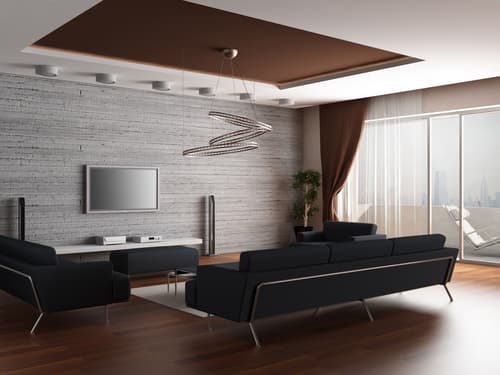
What is a False Ceiling?
A false ceiling, also called a drop ceiling or suspended ceiling, is a secondary ceiling installed below the main structural ceiling. This innovative architectural element creates a gap between the original roof and the visible ceiling surface, typically positioned at least 8 inches below the primary structure. Modern Nepali homes, offices, restaurants, and commercial spaces increasingly adopt false ceilings to enhance aesthetics, improve functionality, and add value to properties across Kathmandu, Lalitpur, Bhaktapur, and other cities.
Why Install a False Ceiling in Your Nepal Home?
Key Benefits That Matter:
- Enhanced Visual Appeal: False ceilings transform ordinary rooms into sophisticated spaces. They provide a clean, contemporary finish that complements modern interior design trends popular in Nepal's urban areas.
- Temperature Control: Nepal experiences diverse weather conditions. The air gap created by false ceilings acts as thermal insulation, keeping rooms cooler during hot summers and warmer during chilly winters. This reduces electricity consumption for heating and cooling systems.
- Concealed Infrastructure: Electrical wiring, plumbing pipes, HVAC ducts, and internet cables can be hidden elegantly above the false ceiling. This creates a clutter-free appearance while maintaining easy access for maintenance and repairs.
- Acoustic Improvement: False ceilings absorb sound and reduce noise transmission between floors. This proves especially valuable in Kathmandu's dense residential areas where noise pollution is common.
- Flexible Lighting Options: Install recessed lights, LED strips, cove lighting, or designer chandeliers seamlessly within false ceiling designs. This creates ambiance and highlights architectural features.
- Height Management: Rooms with excessively high ceilings feel less cozy. False ceilings bring proportions into balance, creating more intimate and comfortable living spaces.
Types of False Ceilings Available in Nepal
1. Gypsum False Ceiling
Gypsum board false ceilings dominate the Nepali market due to their versatility and elegant finish. These ceilings use gypsum plaster boards mounted on metal frameworks.
Advantages of Gypsum Ceilings:
- Smooth Professional Finish: Creates seamless surfaces perfect for contemporary interiors
- Fire Resistant Properties: Gypsum contains water molecules that release steam during fires, slowing flame spread
- Energy Efficiency: Excellent thermal insulation reduces HVAC costs
- Sound Absorption: Minimizes echoes and noise transmission between rooms
- Design Flexibility: Accommodates curves, layers, recesses, and various lighting designs
- Low Maintenance: Simple cleaning with occasional dusting or wiping
- Quick Installation: Faster than traditional plastering methods
- Moisture-Resistant Variants: Special boards available for bathrooms and kitchens
Disadvantages of Gypsum Ceilings:
- Moisture Vulnerability: Standard gypsum warps in high-humidity areas without proper treatment
- Crack Development: Building settlement causes visible cracks at joints over time
- Weight Limitations: Cannot support heavy ceiling fans or fixtures without additional reinforcement
- Height Reduction: Consumes 6-8 inches of vertical space
- Repair Complexity: Damaged sections often require full panel replacement
- Limited Molding: Flat boards don't allow intricate sculptural designs
- Pest Concerns: Hidden gaps can harbor insects or mold without proper sealing
2. POP (Plaster of Paris) False Ceiling
POP represents a traditional false ceiling material created by heating gypsum to remove water content. The resulting powder mixes with water to form a paste that hardens quickly.
Advantages of POP Ceilings:
- Artistic Flexibility: Allows intricate moldings, curves, and decorative patterns
- Customizable Designs: Craftsmen can create unique shapes using plaster molds
- Smooth Finish: Provides elegant surfaces suitable for painting
- Cost-Effective: Generally lower material costs compared to gypsum boards
- Local Expertise: Many skilled POP workers available throughout Nepal
Disadvantages of POP Ceilings:
- Longer Installation: Application and drying require more time than gypsum boards
- Crack Susceptibility: Develops cracks more readily than gypsum boards
- Weight Factor: Heavier than gypsum, requiring stronger support structures
- Moisture Damage: Absorbs water easily, causing deterioration in damp conditions
- Maintenance Demands: Requires more frequent repainting and crack repairs
3. Wooden False Ceiling
Wooden false ceilings use plywood, timber panels, or hollow blocks to create warm, natural aesthetics. These ceilings bring rustic charm and premium appeal to residential spaces.
Advantages of Wooden Ceilings:
- Natural Beauty: Authentic wood grain patterns create organic warmth
- Premium Appearance: Adds luxury and sophistication to interiors
- Durability: High-quality wood lasts decades with proper maintenance
- Design Versatility: Available in various finishes, stains, and laminate options
- Cultural Appeal: Resonates with traditional Nepali architectural preferences
Disadvantages of Wooden Ceilings:
- Higher Investment: Most expensive false ceiling option
- Maintenance Requirements: Needs periodic polishing, treatment against termites and moisture
- Fire Risk: Wood is combustible without fire-retardant treatments
- Moisture Sensitivity: Warps and deteriorates in humid conditions
- Weight Considerations: Requires robust structural support
- Limited Availability: Quality timber increasingly scarce and expensive
False Ceiling Price in Nepal
Understanding current market rates helps homeowners budget effectively for renovation projects. Prices vary based on materials, design complexity, brand quality, and installation location within Nepal.
Current Price List Per Square Foot
Ceiling Type | Price Per Sq Ft | Best Suited For |
Plain Design False Ceiling | Rs. 95 | Budget-conscious projects, simple rooms |
Added Design False Ceiling | Rs. 115 | Living rooms, bedrooms with decorative elements |
Waterproof False Ceiling | Rs. 100 | Bathrooms, kitchens, moisture-prone areas |
Soundproof False Ceiling | Rs. 165 | Home theaters, music rooms, offices |
Soundproof Branded False Ceiling | Rs. 185 | Premium soundproofing requirements |
Cost Estimation Example
For a standard 12x12 feet bedroom (144 square feet):
- Plain Design: 144 × Rs. 95 = Rs. 13,680
- Added Design: 144 × Rs. 115 = Rs. 16,560
- Soundproof: 144 × Rs. 165 = Rs. 23,760
Note: Prices exclude lighting fixtures, labor charges for electrical work, and additional structural modifications.
Which False Ceiling is Best for Nepal?
The ideal false ceiling depends on specific requirements, room purpose, budget constraints, and environmental conditions.
For Living Rooms and Bedrooms
Recommendation: Gypsum false ceiling with added design elements
Gypsum provides excellent aesthetics, thermal insulation, and durability suitable for Nepal's climate. Added design options (Rs. 115/sq ft) allow creative lighting integration and architectural interest.
For Bathrooms and Kitchens
Recommendation: Waterproof false ceiling (Rs. 100/sq ft)
Moisture-resistant materials prevent warping, mold growth, and deterioration in high-humidity environments common in Nepali bathrooms and kitchens.
For Home Theaters and Music Rooms
Recommendation: Soundproof branded false ceiling (Rs. 185/sq ft)
Premium acoustic performance justifies higher investment for entertainment spaces where sound quality matters most.
For Luxury Homes and Premium Interiors
Recommendation: Wooden false ceiling
Natural wood delivers unmatched elegance and sophistication for high-end residential projects where budget accommodates premium materials.
For Budget-Conscious Projects
Recommendation: Plain design false ceiling (Rs. 95/sq ft)
Provides essential benefits of thermal insulation and concealed wiring without decorative expenses.
Important Considerations Before Installation
1. Room Height Requirements
Ensure your room has sufficient height. False ceilings reduce vertical space by 6-8 inches minimum. Rooms with original ceiling heights below 9 feet may feel cramped after installation.
2. Climate and Moisture Levels
Kathmandu Valley experiences monsoon humidity. Select moisture-resistant materials for ground floor rooms and areas with limited ventilation.
3. Structural Support
Verify that your building structure can support the additional weight, especially for wooden ceilings or when installing heavy ceiling fans and lighting fixtures.
4. Ventilation Access
Maintain access points for future maintenance of electrical systems, plumbing, and HVAC equipment hidden above the false ceiling.
5. Professional Installation
Hire experienced contractors familiar with Nepal's building codes and climatic conditions. Poor installation leads to premature cracks, sagging, and moisture damage.
Maintenance Tips for Long-Lasting False Ceilings
1. Regular Inspections: Check quarterly for cracks, water stains, or sagging sections, especially during monsoon season.
2. Prompt Repairs: Address minor cracks immediately before they expand. Small repairs cost significantly less than major replacements.
3. Moisture Control: Use dehumidifiers in damp rooms. Ensure proper ventilation in kitchens and bathrooms.
4. Gentle Cleaning: Dust gypsum and POP ceilings with soft cloths. Avoid excessive water that can cause damage.
5. Pest Prevention: Seal all gaps properly during installation. Schedule periodic pest inspections to prevent infestations in hidden spaces.
Future Trends in Nepal's False Ceiling Market
The Nepali construction industry continues evolving with increasing awareness of sustainable building practices. Emerging trends include:
- Eco-friendly materials: Recycled gypsum and sustainable wood alternatives
- Smart integration: LED lighting systems with IoT controls
- Acoustic solutions: Enhanced soundproofing for urban noise pollution
- Minimalist designs: Clean lines and simple geometries replacing ornate patterns
- Hybrid systems: Combining different materials for optimal performance
Frequently Asked Questions (FAQs)
1. What is the minimum height required for installing a false ceiling in Nepal?
The original ceiling should be at least 9 feet high. False ceilings require a minimum 8-inch gap below the main ceiling, so rooms shorter than this may feel cramped after installation. For comfortable living spaces, 10-foot original ceilings are ideal.
2. How long does false ceiling installation take?
Installation time varies by ceiling type and room size. A standard 12x12 feet room typically takes:
- Gypsum ceiling: 3-5 days
- POP ceiling: 7-10 days (including drying time)
- Wooden ceiling: 5-7 days
Complex designs with elaborate lighting require additional time.
3. Which false ceiling is best for Kathmandu's monsoon climate?
Waterproof false ceilings (Rs. 100/sq ft) are ideal for monsoon-prone areas. These moisture-resistant materials prevent warping, mold growth, and water damage. For bathrooms and kitchens, always choose waterproof variants regardless of season.
4. Can I install a ceiling fan on a gypsum false ceiling?
Yes, but with proper reinforcement. Gypsum boards alone cannot support heavy ceiling fans. Contractors must anchor the fan directly to the original concrete ceiling or install plywood backing above the gypsum board for adequate support.
5. What is the lifespan of false ceilings in Nepal?
With proper maintenance:
- Gypsum ceilings: 15-20 years
- POP ceilings: 10-15 years
- Wooden ceilings: 20-25 years
Lifespan depends on installation quality, moisture exposure, and regular maintenance. Annual inspections help extend ceiling life.
6. Is false ceiling waterproof for roof leakage?
Standard false ceilings are NOT waterproof against major roof leaks. While waterproof variants resist humidity and minor moisture, they cannot protect against active water leakage. Always fix roof leaks before installing false ceilings to prevent damage.
7. How much does false ceiling cost for a 10x10 room in Nepal?
For a 100 square feet room:
- Plain design: Rs. 9,500
- Added design: Rs. 11,500
- Waterproof: Rs. 10,000
- Soundproof: Rs. 16,500
- Soundproof branded: Rs. 18,500
These prices cover materials only. Add 20-30% for labor, lighting, and electrical work.
8. Can false ceilings reduce electricity bills?
Yes. The air gap provides thermal insulation, reducing heat transfer. Rooms stay 2-4°C cooler in summer and warmer in winter, decreasing air conditioning and heating requirements. Most homeowners report 10-15% energy savings after installation.
9. What is the difference between gypsum and POP false ceiling?
Gypsum: Pre-manufactured boards, faster installation, more durable, moisture-resistant variants available, uniform quality.
POP: Applied as paste, allows intricate designs, longer installation time, more prone to cracks, requires skilled craftsmen.
Gypsum suits modern homes; POP works for decorative traditional designs.
10. Do I need permission to install false ceiling in Nepal?
For residential properties, permission typically isn't required since false ceilings don't affect structural integrity. However, check with your apartment society or building management if you live in multi-story buildings. Commercial properties may need municipal approval.
11. How do I maintain my false ceiling during monsoon season?
- Ensure proper roof waterproofing before monsoon
- Check for leaks regularly during heavy rainfall
- Use dehumidifiers in moisture-prone rooms
- Maintain adequate ventilation
- Inspect for water stains or sagging immediately
- Clean gutters to prevent water seepage
12. Can I paint or change the color of my false ceiling later?
Absolutely. Gypsum and POP ceilings can be repainted easily. Clean the surface, apply primer, and use acrylic or emulsion paint. Repainting costs Rs. 15-25 per square foot including labor. Wooden ceilings can be restained or refinished.
13. Which areas in the home should not have false ceilings?
Avoid false ceilings in:
- Rooms with ceiling height below 9 feet
- Areas with frequent roof leakage issues
- Storage rooms where height matters
- Poorly ventilated spaces prone to dampness
- Balconies exposed to direct rain (unless specifically designed)
14. Are false ceilings safe during earthquakes?
Properly installed false ceilings with quality materials and metal frameworks are relatively safe. Gypsum boards are lightweight (8-10 times lighter than masonry), reducing risk. However, ensure contractors follow seismic safety guidelines relevant to Nepal's earthquake-prone geography.
15. Where can I find reliable false ceiling contractors in Kathmandu?
Look for contractors with:
- Minimum 5 years experience
- Portfolio of completed projects
- Valid business registration
- Customer references and reviews
- Knowledge of moisture-resistant materials
- Understanding of Nepal's climate challenges
Request multiple quotations and inspect previous work before finalizing.
Conclusion
False ceilings offer substantial benefits for Nepali homeowners seeking to modernize their living spaces. With prices ranging from Rs. 95 to Rs. 185 per square foot, options exist for every budget and requirement. Gypsum false ceilings provide the best overall value for most residential applications in Nepal, balancing cost, durability, and aesthetics. Waterproof variants suit moisture-prone areas, while soundproof options serve specialized needs. Wooden ceilings remain the premium choice for luxury projects. Careful selection based on room function, climate conditions, budget, and design preferences ensures your false ceiling investment delivers lasting satisfaction and enhanced property value.