UPVC pipe vs CPVC pipe: which is the better option?
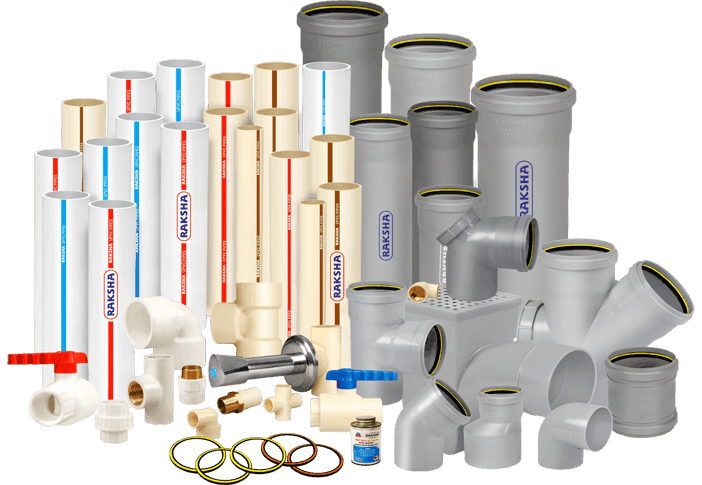
What is a pipe?
A hollow tube with a round cross-section is a pipe. For piping and pipeline systems, the pipe is frequently used. A pipe is a long, hollow, spherical object that is typically made of plastic or metal and allows for the flow of liquid or gas. For the transportation of drinking water, wastewater, chemicals, heating, and cooling fluids, foodstuffs, ultra-pure liquids, slurries, gasses, compressed air, irrigation, plastic pressure pipe systems, and vacuum system applications, plastic pipe is used.
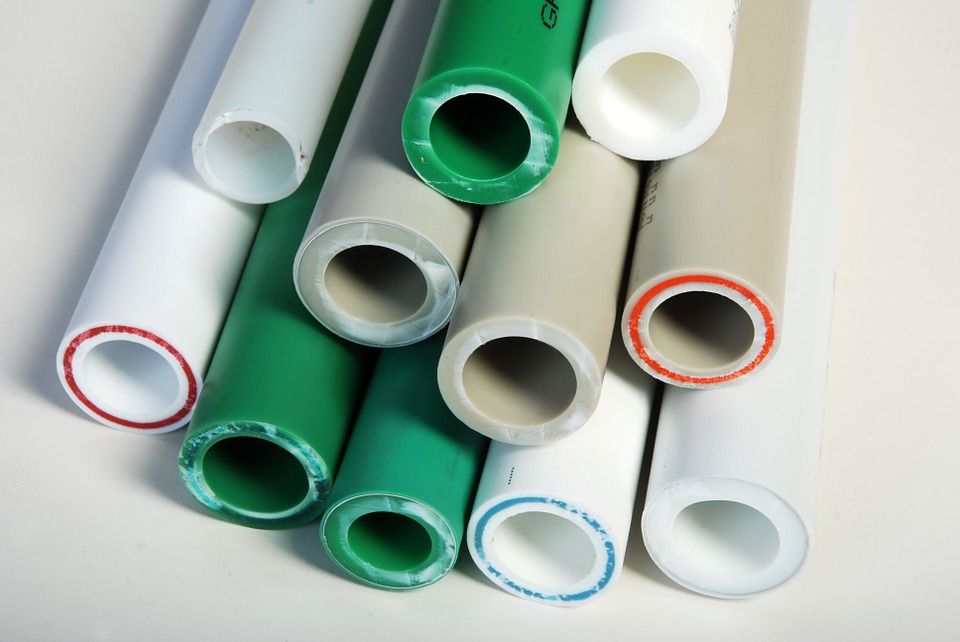
Types of popular plastic pipe in Nepal:
1. HDPE pipe
The mains pipes made of aging concrete or steel are frequently replaced by HDPE pipe, a flexible plastic pipe type used for the transfer of fluids and gases. Because of its high level of impermeability and solid molecular bond, high pressure pipes can use this HDPE (high-density polyethylene) thermoplastic material. HDPE pipe is strong, resistant to chemicals, corrosion-resistant, and lightweight. HDPE pipe is a tough, adaptable thermoplastic with excellent impact and tensile strength.
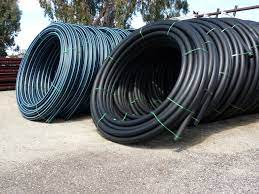
2. Polyethylene pipe
Polyethylene pipe is known as PE pipe. Thermoplastic polymerized ethylene is used to create polyethylene (PE), a material. For a wide range of applications, such as potable water service or distribution lines, natural gas distribution, lawn sprinklers, sewers, garbage disposal, and drainage lines, PE pipe is an excellent piping material. PE materials typically resist the majority of common chemicals. For potable water and wastewater delivery, polyethylene pipe is suitable.

3. Chlorinated Poly Vinyl Chloride Pipes (CPVC)
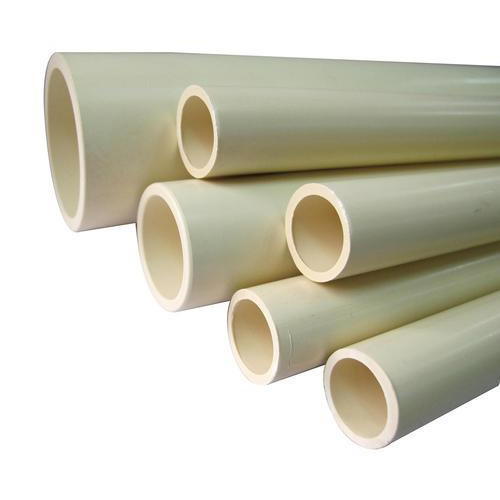
CPVC pipes are renowned for their resistance to physical and chemical deterioration, which extends their lifespan. This type of non-corrosive pipe can be used for cold and hot (around 180°F). It is durable and easy to use. CPVC differs from PVC in that it undergoes a free radical chlorination process, which essentially raises the material's chlorine concentration. CPVC is a thermoplastic that may be molded into a variety of goods. It is feasible to withstand a wider range of temperatures.
Benefits of CPVC pipe:
- High temperature resistance
- Corrosion and rust resistant
- Durable and long-lasting
- Lightweight and easy to install
- Leak-proof joints
- Smooth water flow
- Chemical resistant
- Low maintenance required
- Safe for drinking water
- Energy efficient
- Cost-effective solution
- No scaling or clogging
- Strong and impact resistant
- Fire-resistant material
- Ideal for hot and cold water supply systems
- Suitable for residential and commercial plumbing
- Reduces water contamination risks
- Reliable performance in all weather conditions
- Easy transportation and handling
- Long service life with minimal repairs
Unplasticized polyvinyl chloride Pipes (uPVC)
In both residential and commercial structures, rigid PVC pipes and fittings, also referred to as uPVC (unplasticized polyvinyl chloride) pipes, are used for all plumbing needs. UPVC is referred to as having strong resistance to chemicals, UV, and water oxidation. UPVC is frequently used in building because it is strong, affordable, and simple to deal with. UPVC is a strong, sinewy, transparent, and long-lasting polymer that resists the effects of air pollution, dampness, and a variety of chemicals. Additionally, it possesses minimal flammability and excellent electrical characteristics.

Benefit of upvc pipe:
- Corrosion and rust resistant
- Lightweight and easy to handle
- Durable and long-lasting
- Leak-proof connections
- Smooth inner surface for better water flow
- Low maintenance requirements
- Chemical resistant
- Cost-effective piping solution
- Safe for drinking water
- Weather and UV resistant
- Strong and impact resistant
- Easy and quick installation
- No scaling or deposits inside pipes
- Environmentally friendly and recyclable
- Suitable for water supply and drainage systems
- High pressure resistance
- Reduces water leakage
- Long service life
- Hygienic and non-toxic
- Ideal for residential, commercial, and industrial applications
CPVC pipe vs UPVC pipe: which is the better option in Nepal:
There are some notable distinctions between CPVC and PVC, despite the fact that the two pipes even appear similar.
- Temperature Resistance: CPVC is suitable for both hot and cold water, while UPVC is mainly used for cold water.
- Durability: Both are durable, but CPVC performs better under high temperatures.
- Cost: UPVC is generally more affordable than CPVC.
- Installation: Both are easy to install and lightweight.
- Corrosion Resistance: Both are resistant to rust and corrosion.
- Chemical Resistance: CPVC offers better resistance to a wider range of chemicals.
- Water Supply Applications: CPVC is ideal for household plumbing, whereas UPVC is commonly used for drainage and cold water supply.
- Pressure Handling: CPVC can handle higher temperatures and pressure than UPVC.
- Maintenance: Both require very little maintenance.
- Lifespan: Both have a long service life when properly installed.
- Safety: Both are safe for potable (drinking) water applications.
- Best Use in Nepal: CPVC is the better choice for hot and cold water plumbing, while UPVC is the better option for drainage systems and budget-friendly cold water supply networks.
Conclusion
- Choose CPVC for hot and cold water plumbing systems.
- Choose UPVC for drainage, sewage, and cold water supply where cost-effectiveness is a priority.